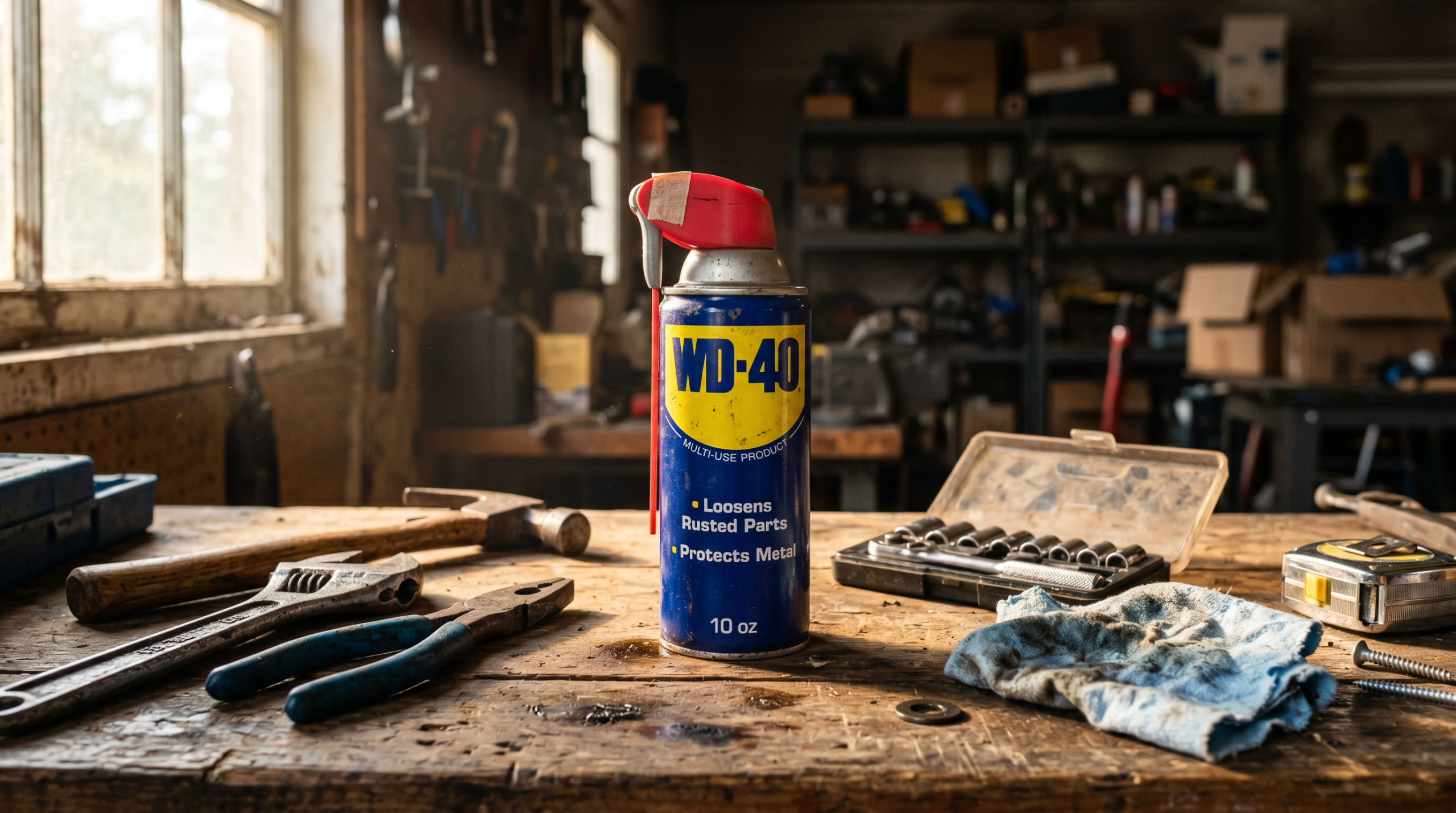
Quick Verdict: After testing dozens of claimed uses for WD-40 over several years, 23 earned a permanent spot in my garage routine. The blue and yellow canister handles squeaky hinges, sticker residue, paint transfer, rust prevention, wasp deterrence, and about 20 other everyday problems for around $8 per 12-ounce aerosol. Two popular WD-40 hacks failed my testing badly enough to damage the surface I tried them on, so skip those.
Last updated: April 2026 | 14 min read
In This Guide
- Why I Stopped Trusting Random WD-40 Hack Lists
- WD-40 Quick Facts
- Garage and Auto Uses (6)
- Home Interior Uses (5)
- Workshop and Tool Uses (3)
- Outdoor and Seasonal Uses (4)
- Quick Fixes and Life Hacks (5)
- What NOT to Use WD-40 For
- WD-40 vs. Specialized Alternatives
- Pros and Cons
- Final Verdict
- Frequently Asked Questions
Why I Stopped Trusting Random WD-40 Hack Lists
Most uses for WD-40 articles read like someone copied a viral thread without testing a single item. I grew up with a blue and yellow aerosol on my garage shelf, and for years I used it for exactly two things: fixing squeaky door hinges and loosening stuck nuts. Then a friend told me he used it to pull old stickers off his truck bumper. Afterward, I fell down a rabbit hole of claimed uses for WD-40, some clever and some clearly wrong.
Over the last several years, I tested every claim I came across. Some worked on the first try. Others needed two or three attempts to nail the technique. A few ruined the surface I tried them on, which is why this article includes a section on what to avoid. Specifically, you will see two WD-40 hacks from other popular articles I had to cut because the damage was real and fixing it cost me money.
These 23 uses for WD-40 around the house are the ones I still reach for today. Each one earned a permanent spot after repeated testing, and I included the technique, the surface it works on, and a note when you should try a specialized product instead. As of April 2026, a 12-ounce aerosol runs about $7 to $9 at most hardware stores, and a single canister handles months of small jobs around an average house.
WD-40 Quick Facts
| Fact | Details |
|---|---|
| What the name stands for | Water Displacement, 40th formula (the inventor nailed it on attempt #40 in 1953) |
| Primary composition | Refined petroleum distillates and mineral spirits, plus proprietary additives |
| Fish oil myth | False. The formula contains no fish oil, per the manufacturer’s official FAQ |
| Typical retail price | $7 to $9 for a 12-ounce aerosol (April 2026) |
| Shelf life | Five years or longer when stored below 120°F per the manufacturer |
| Flammability | Extremely flammable aerosol. Keep away from sparks, flames, and heat sources |
| Best surface warnings | Avoid on unfinished wood, matte paint, certain plastics, and bicycle chains |
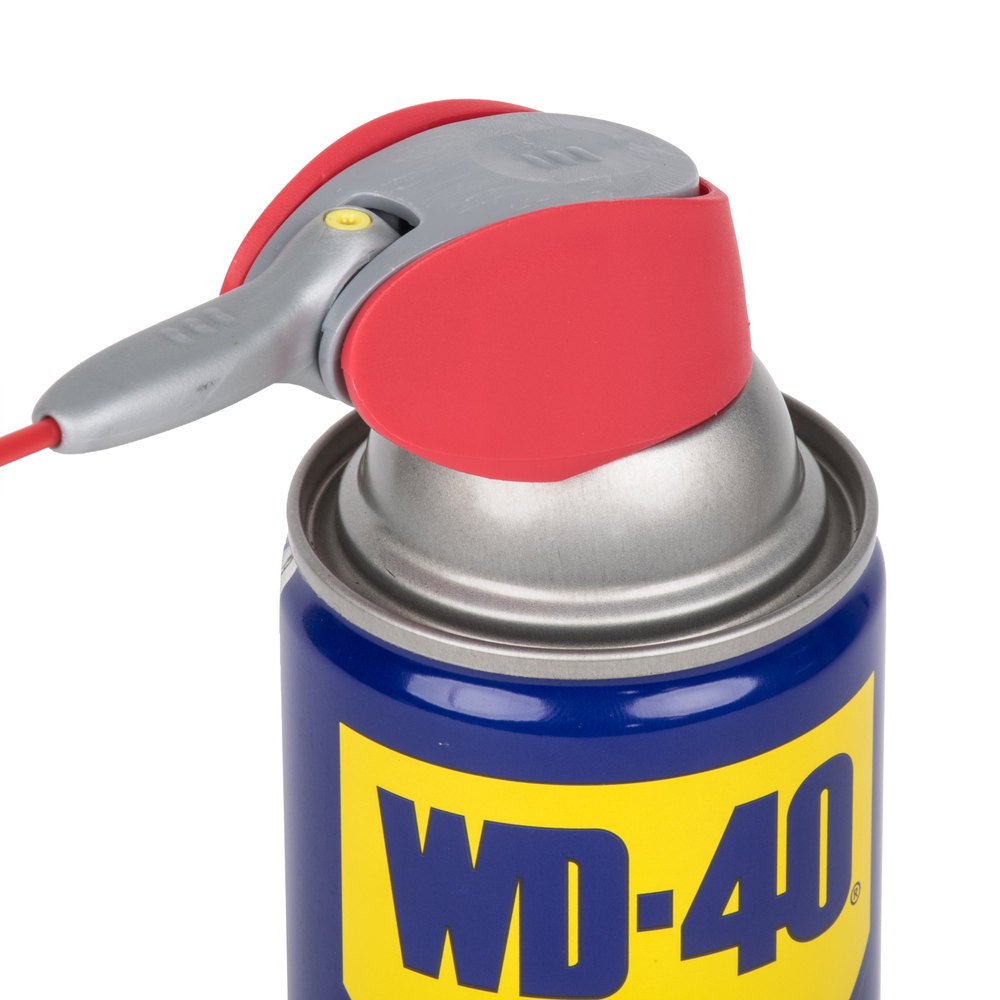
Featured Product
WD-40 Smart Straw 12-Ounce Aerosol
The built-in Smart Straw flips up for precision spraying and folds down for wide coverage, which matters when you switch between a door hinge and a rust-covered wheelbarrow.
Garage and Auto Uses for WD-40
Most WD-40 garage hacks come from mechanics, and the six below handle the problems I see most often with cars, battery terminals, and concrete floors.
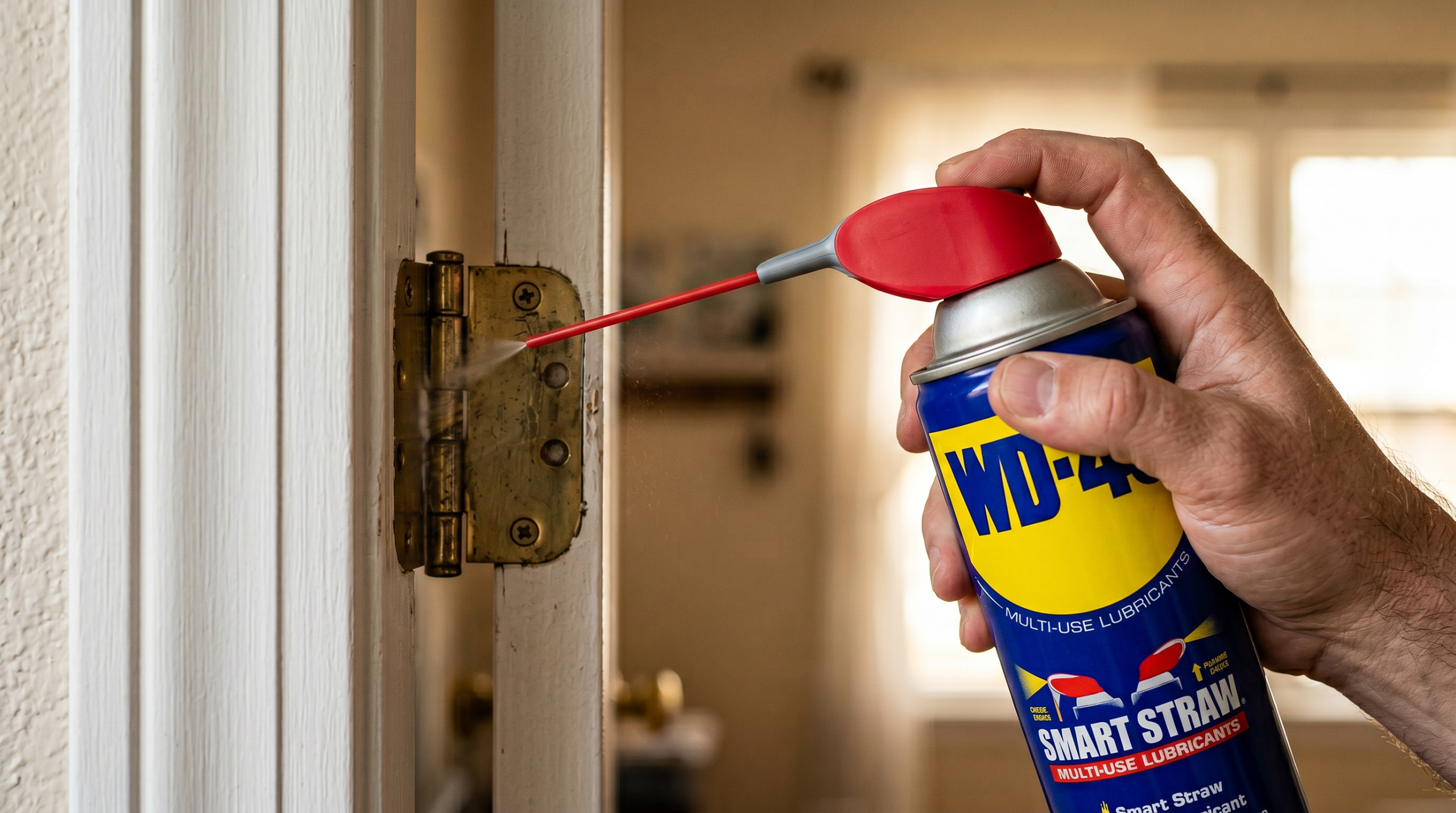
1. Silence Squeaky Door Hinges
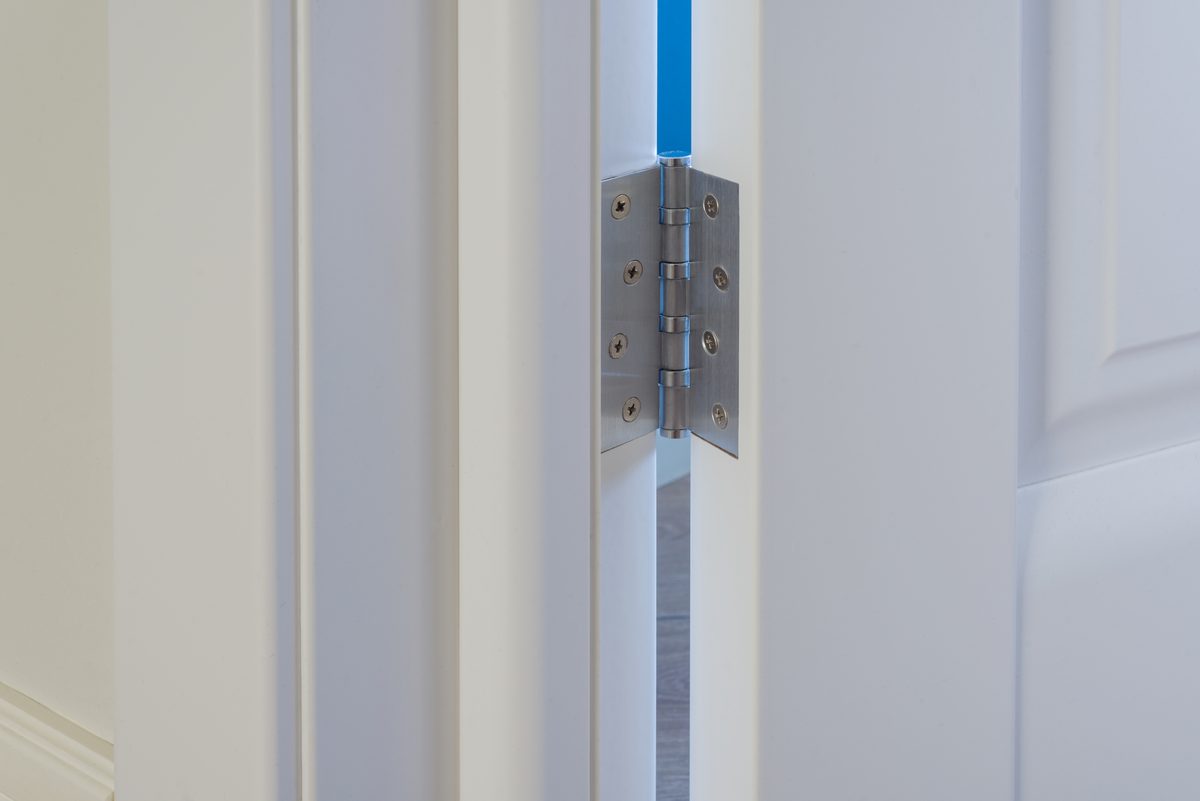
This is the use you probably already know, so I will keep it short. Spray a short burst directly into the hinge barrel, then swing the door open and closed five or six times to work the fluid into the pin. For exterior gates and garage side doors, reapply every six months because rain washes the film off faster than interior hinges. One note: on brand-new hinges squeaking from factory grease drying out, silicone spray lasts longer than WD-40, so keep the silicone option in mind for high-use doors.
2. Keep Dead Bugs Off the Car Grille
Before a long summer road trip, mist a light coat across the front grille, hood leading edge, and lower bumper. The thin film prevents bug guts from baking onto the paint, and at the gas station you wipe the residue off with a microfiber cloth in under a minute. I tested this on a 300-mile interstate run and the cleanup took about 90 seconds per stop instead of 10 minutes of scrubbing at the car wash. Skip this on matte-finish paint because the oil will affect the low-sheen coating.
3. Remove Paint Transfer and Smudges From Your Car Body
When another car scrapes yours in a parking lot and leaves colored paint on your clear coat (with no dent), WD-40 dissolves the transferred paint without harming the clear coat underneath. Spray a generous amount on a clean microfiber cloth, then rub the smudge with moderate pressure in one direction. Most transfer lifts in 30 to 60 seconds. Finish with a water rinse and a coat of car wax to restore the protective layer you stripped during cleaning. If you also spot peeling paint on trim or siding while cleaning, handle those fixes before solvent exposure.
4. Clean Road Tar and Grime From Vehicles
Tar splatters from fresh asphalt are miserable to remove with soap alone. Spray WD-40 on the tar, wait 30 to 60 seconds for the solvent to soften the deposit, then wipe with a microfiber cloth. For stubborn spots, repeat the application two or three times instead of scrubbing harder, because aggressive scrubbing is what scratches clear coat. Afterward, wash the treated area with car soap and rinse thoroughly so no oil residue remains to attract dust.
5. Prevent Battery Terminal Corrosion
After cleaning corroded battery terminals with a wire brush and baking soda paste, apply a thin coat to the clean metal before reconnecting the cables. The film blocks moisture and slows the corrosion process, so the green and white crust takes much longer to return. I went from cleaning terminals twice a year to once every 18 months after adding this step. Use WD-40 Specialist Corrosion Inhibitor for vehicles you plan to store for over six months, because the specialty formula protects up to 12 months versus three to four for the classic blue aerosol.
6. Clean Oil Stains From Garage Floors and Driveways
For fresh oil spots on concrete, spray WD-40 across the stain, wait five minutes, then scrub with a stiff nylon brush and hose the area down. On older stains soaked deep into the concrete, lay down cat litter first to absorb what oil the litter will pull, then apply WD-40 and scrub. Concrete without any seal absorbs oil like a sponge, which limits results, so consider sealing your garage floor if stains are a recurring problem.
Shop the Essentials
Microfiber Shop Towels, 50-Pack
Most of these hacks work better with lint-free microfiber cloths than with paper towels. A bulk pack runs under $25 on Amazon and lasts for years through hundreds of washes.
Home Interior Uses for WD-40
Indoor WD-40 tricks shine brightest on sticky, greasy, and inked messes, because the solvent lifts residues from surfaces where scrubbing alone fails. Also, most of these creative uses for WD-40 take under two minutes per fix.
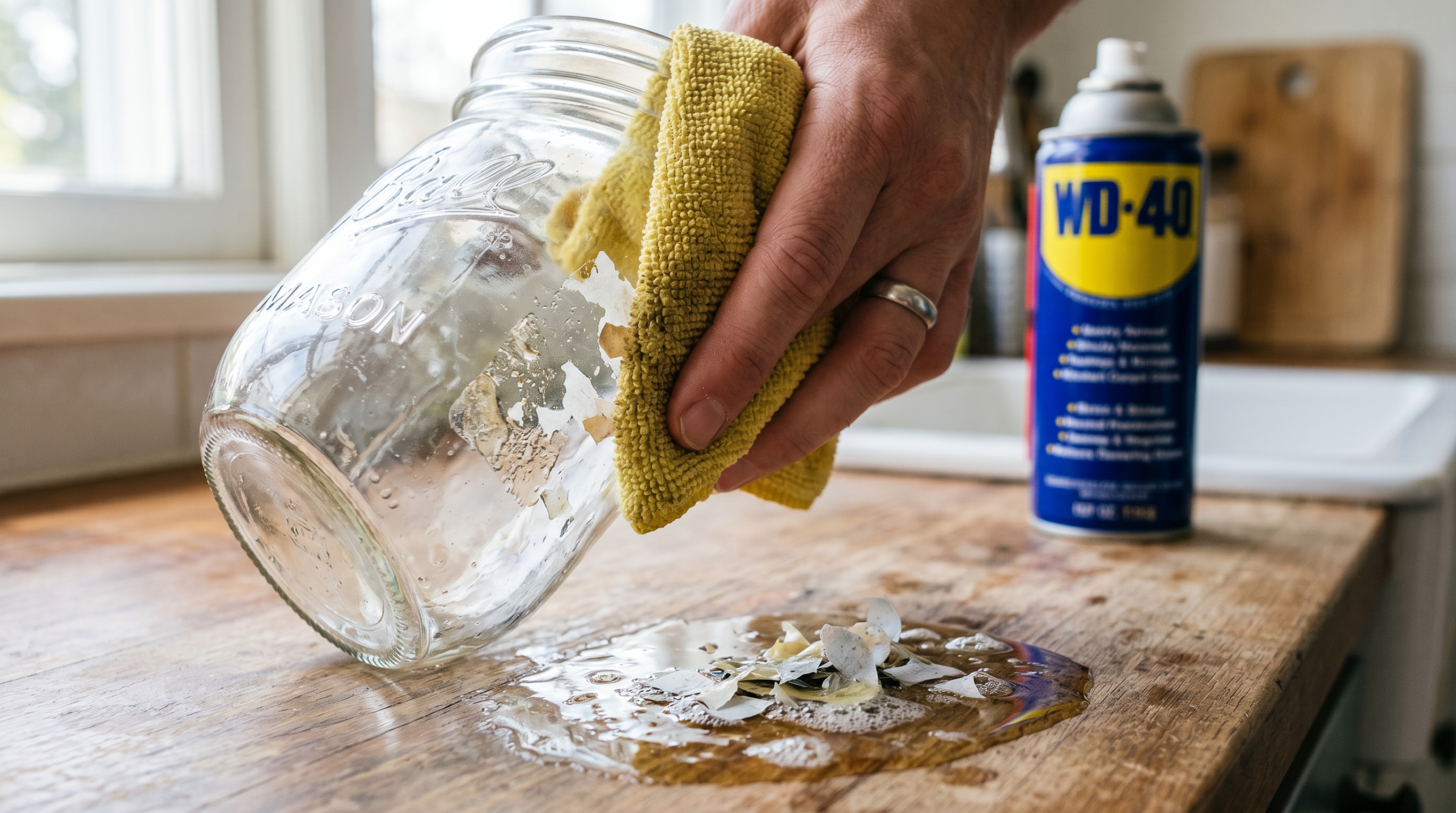
7. Erase Sticky Residue From Stickers, Tape, and Labels
Peel off as much of the sticker or tape as possible with your fingernail, then spray WD-40 directly on the residue. After 60 seconds, wipe with a clean cloth and the gummy layer lifts off completely. This works on glass jars, metal tools, laminate countertops, and painted metal. For price stickers on book covers or paperbacks, skip WD-40 because the solvent stains porous paper. A little heat from a hair dryer works better on paper surfaces.
8. Remove Crayon and Marker From Painted Walls
Kids draw on walls. Spray WD-40 on a microfiber cloth (never directly on the wall, which leads to drips), then rub the crayon or marker with steady pressure. Most marks lift in under a minute on semi-gloss and satin paint. However, matte and flat paints absorb the oil, which leaves a dark greasy patch worse than the original scribble. For flat-paint walls, skip this method and use a Magic Eraser instead. For a full rundown of products to avoid on home surfaces, see our 7 things to never use to clean your home.
9. Erase Floor Scuff Marks
Black heel marks on vinyl, tile, and hardwood floors disappear quickly with a small amount on a soft rag. Spray the cloth first, rub the mark in small circles for 10 to 15 seconds, then wipe the area with a damp cloth to remove any oily film. For vinyl plank and luxury vinyl tile, test an inconspicuous spot first because some budget flooring uses adhesives which react poorly to solvents. On hardwood floors with a polyurethane finish, use this sparingly because repeated applications will cloud the topcoat over time.
10. Lift Paint Splatter From Leather Furniture
If you were painting a room and a few drops landed on your leather couch or chair, WD-40 dissolves latex and acrylic paint splatters without damaging most finished leathers. Spray a small amount on a cotton ball, dab the paint (do not rub, which spreads the pigment), then wipe gently in one direction. Once the paint is gone, clean the treated spot with leather conditioner to restore moisture the solvent pulled out. This trick does not work on oil-based paint, which bonds chemically with leather.
11. Tackle Ink and Ballpoint Stains on Carpet
Ballpoint pen leaks are one of the worst carpet problems because the stain sets fast. Spray WD-40 on the ink spot, wait two minutes, then blot (never rub) with a clean white cloth. Afterward, clean the treated area with warm soapy water and a second clean cloth to lift the solvent out of the carpet fibers. This works best on synthetic carpet (nylon, polyester, olefin) but wool carpet is more delicate, so spot-test a closet corner before treating a visible area.
Workshop and Tool Uses for WD-40
These three WD-40 tricks earn their keep in any workshop because rust and grease destroy more tools than hard use ever will. Additionally, each habit takes under a minute per project to apply.
12. Prevent Rust on Hand Tools and Garden Tools
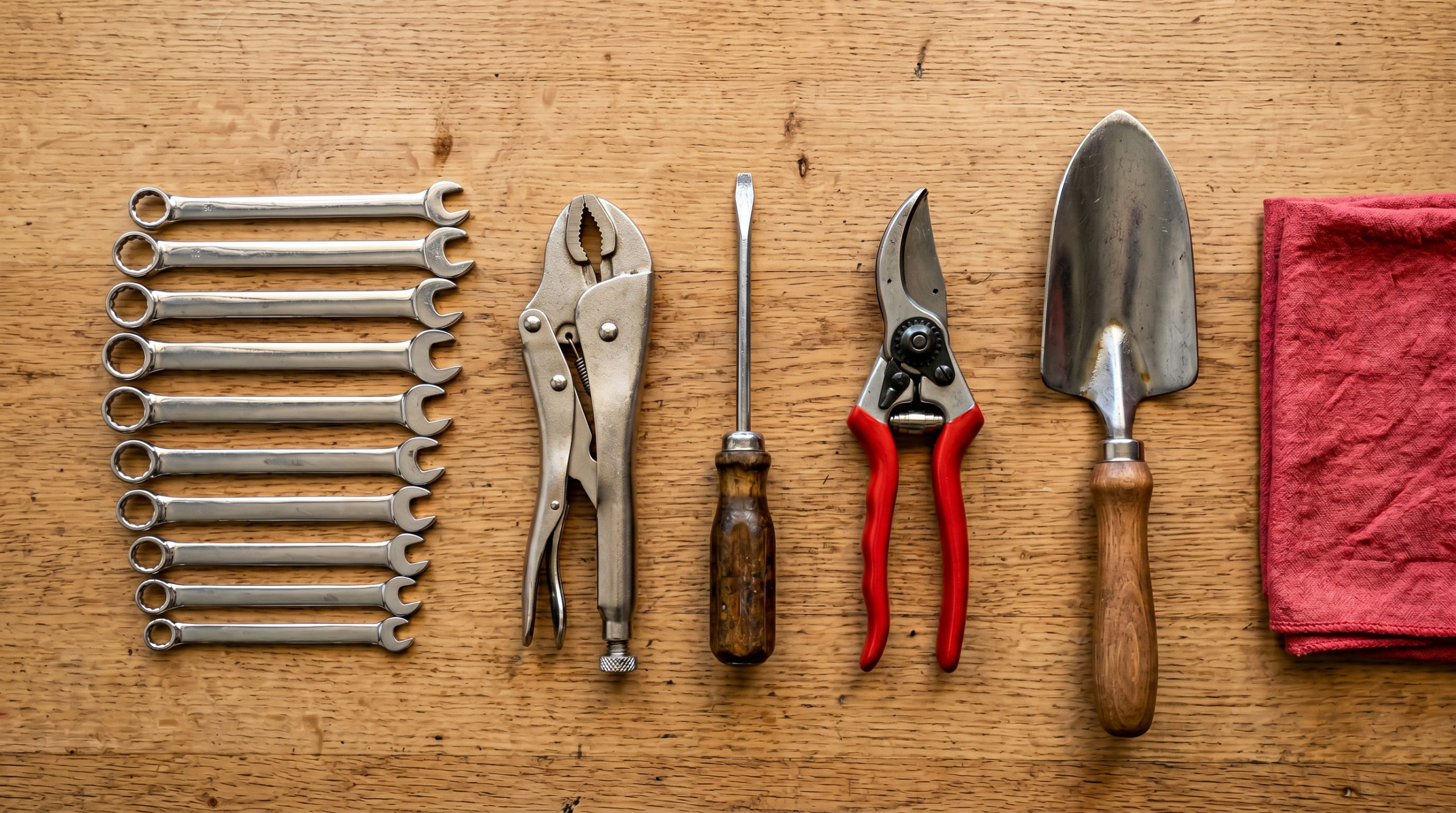
This is the highest-value use on my list because rust destroys more tools than abuse does. Related: our sandpaper grit chart covers the right abrasive for every tool restoration and rust-removal job. After each project, wipe your wrenches, pliers, screwdrivers, pruners, and shovels with a rag, then mist a light coat on the metal surfaces before putting them away. The film displaces moisture from your palms and the humid garage air, so tools stay rust-free for months. For tools stored in unheated garages or damp basements, reapply every three to four months. I have 20-year-old sockets which look new because of this habit. The same rust-prevention logic applies to appliance internals — see our common dryer repairs guide for examples of how tool care crosses over into household appliance maintenance.
13. Stabilize Splintering Wood Tool Handles in a Pinch
Let me be honest about this one: boiled linseed oil is the correct long-term treatment for wood tool handles, and you should use it on any handle you grip daily. However, when a handle starts splintering and you do not have linseed oil on hand, WD-40 will stabilize the wood temporarily and prevent further splintering until you do a proper treatment. For handles beyond a quick stabilization, our wood glue repair guide covers permanent fixes for cracked, split, and loose handles. Rub a generous amount into the grain with a rag, let it penetrate for 10 minutes, wipe off the excess, and plan to apply linseed oil within the next month. For occasional-use handles stored in unheated spaces, WD-40 every 6 months is enough because those tools never dry out the wood to the degree daily-use handles do.
14. Strip Grease Off Your Hands After a Car Project
After an oil change or brake job, spray a small amount on your hands, rub them together for 20 seconds, then wipe with a paper towel before washing with dish soap and warm water. The solvent cuts through motor oil and brake grease much faster than hand soap alone. Finish with a hand lotion because repeated use dries out skin. Avoid this method if you have cuts or open scrapes on your hands because the solvent stings.
Outdoor and Seasonal Uses for WD-40
Seasonal WD-40 garage hacks save time on recurring outdoor chores, including wasp prevention in spring and snow shoveling in winter.
15. Deter Wasps From Building Nests Under Eaves
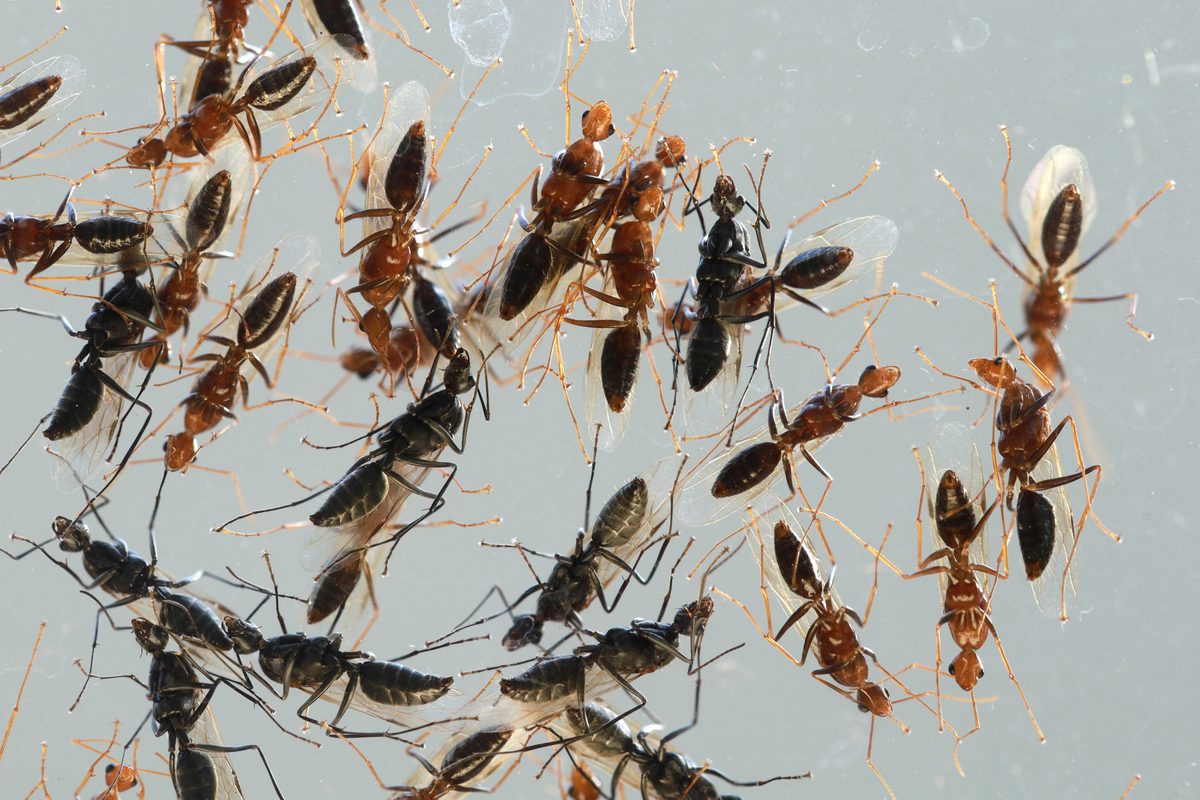
Each spring before wasp season ramps up (typically early April in most climates), mist WD-40 along the underside of your eaves, soffits, and roof overhangs where wasps prefer to start nests. The slick surface prevents the first layer of paper nest from adhering, so wasps move on and build elsewhere. A 12-ounce aerosol covers the eaves of an average 1,500-square-foot single-story house with room to spare. Reapply in June if you see new nest-building activity.
16. Keep Spiders From Doorframes and Windowsills
The same slick-surface principle works on spider webs. Spray a light coat on doorframes, window trim, outdoor light fixtures, and porch ceiling corners where webs tend to appear. Spiders avoid the treated surface because they lack the ability to anchor silk to it, and the ones already present move on within a few days. Outdoor applications need reapplication every two to three weeks during peak spider season (late summer through early fall in most regions).
17. Keep Snow From Sticking to Shovels and Snowblower Chutes
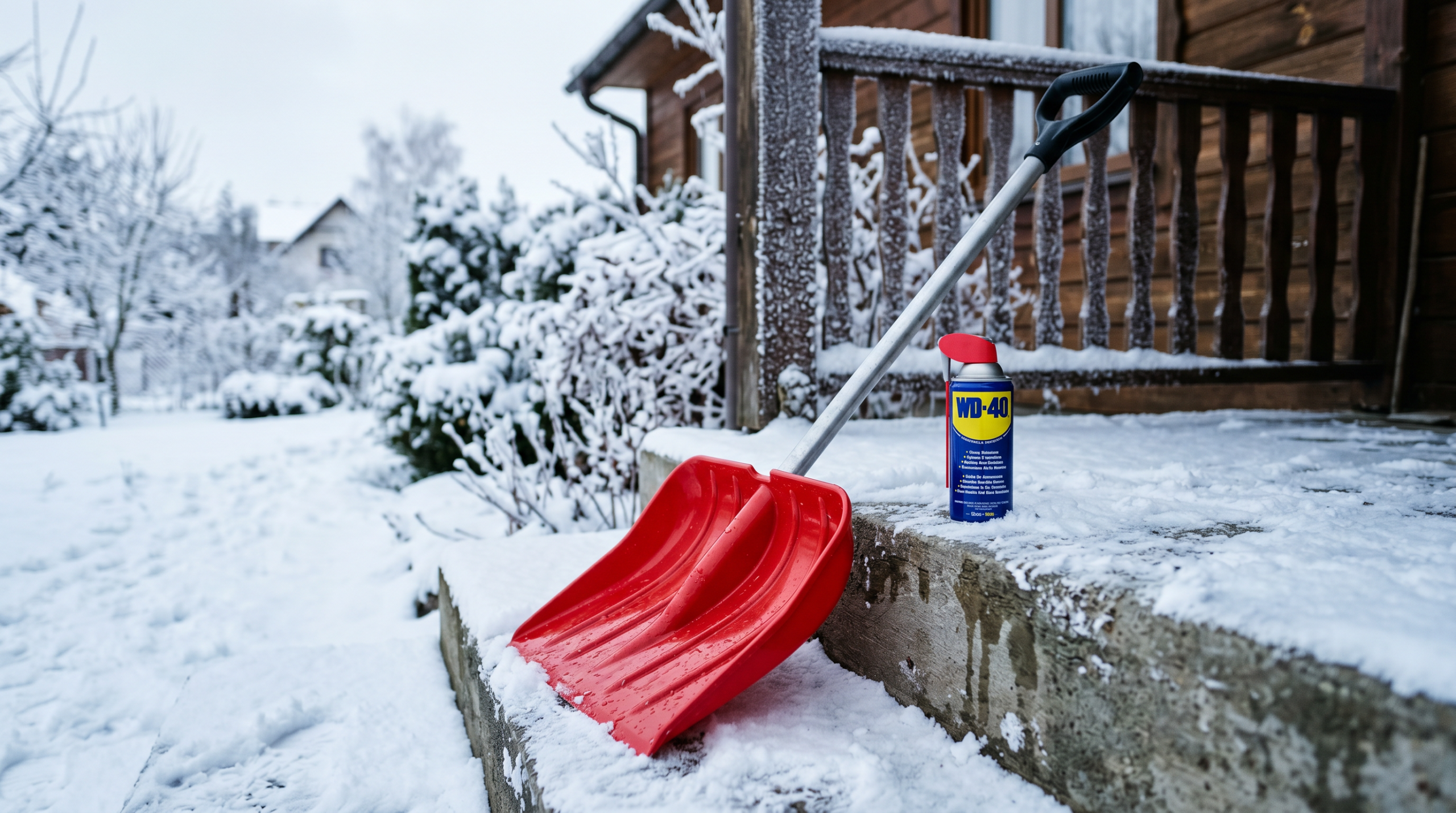
Before a storm, spray a light coat on the blade of your snow shovel and the inside of your snowblower chute. Wet, heavy snow slides off instead of clumping, which saves your back and cuts shoveling time by 20 to 30 percent in my experience. Additionally, on snowblower chutes this step alone prevents the clogs which force you to shut the machine off and clear the impeller with a stick. Reapply after every one or two uses because snow and ice scour the coating off quickly.
18. Remove Old Wax From Skis and Snowboards
At the end of the season, spray WD-40 on the base of your skis or snowboard, let it sit for 30 seconds, then scrape with a plastic base scraper in one direction. The solvent lifts old wax, dirt, and oxidized base material without damaging the P-Tex surface. After scraping, wipe the base with a clean cloth and a dab of isopropyl alcohol to remove any oily residue before applying new wax. Dedicated base cleaners work slightly better but cost three times as much per application.
Quick Fixes and Life Hacks
These five creative uses for WD-40 are my favorite demo hacks when friends ask why I keep multiple canisters in the house.
19. Free a Stuck Zipper
For jacket zippers, tent zippers, and luggage zippers sticking or jamming on fabric, spray a tiny amount on a cotton swab (not directly on the fabric, because oil stains), then dab the zipper teeth and pull tab. Work the pull up and down slowly until it moves freely. This saved a $400 ski jacket from being tossed in my testing, so the method earned its spot on this list. For high-end garment zippers, zipper wax sticks are designed for the job and avoid any oil staining risk.
20. Separate Stuck LEGO Bricks
When two LEGO pieces lock together so tightly fingernails fail, add one small drop along the seam, wait 15 seconds, then twist the bricks apart. Wash the affected bricks in warm soapy water afterward so no oil residue remains to attract dust or transfer to other pieces. The official LEGO brick separator tool ($2.49 direct from LEGO) works on most stuck pieces, so keep WD-40 as the last resort. Younger kids should not handle the solvent directly.
21. Slide Off a Stuck Ring
If a ring gets stuck on a swollen finger, a single spray on the skin and ring lets the band slide off in most cases. Rotate the ring gently as you pull, and stop if pain increases because force causes bruising. Afterward, wash your hands thoroughly with soap and water. If the ring still will not budge after two attempts, go to a jeweler or an emergency room for professional removal, especially if your finger is turning blue or numb.
22. Break In a New Baseball Glove
Instead of neat’s-foot oil, spray WD-40 on the pocket, heel, and webbing of a new glove, then work the leather with your hands for five minutes. Place a baseball in the pocket, fold the glove around it, and secure with a rubber band overnight. The leather softens significantly after one overnight session, though competition-grade gloves still benefit from several weeks of regular use to fully break in. Glove-specific conditioners cost more but condition the leather better over the long haul.
23. Remove Chewing Gum From Hair
When your kid comes home with gum stuck in their hair, spray a small amount on the gum (avoid the scalp), wait 30 seconds, then comb the gum out with a fine-toothed comb. Wash the treated hair with shampoo twice afterward to remove every trace of the solvent. Be aware peanut butter and coconut oil work nearly as well without the chemical exposure, so those are the safer first choices for young children. Save WD-40 for the stubborn cases where food-based methods fail.
What NOT to Use WD-40 For
Here is where my testing cost me money, so pay attention. These two uses appear on nearly every “100 uses for WD-40” list online, and both damaged the surface I tried them on.
Do Not Use WD-40 on Polyurethane Wood Floors
One popular hack suggests using WD-40 to “tone down” the shine of new polyurethane floors. I tried this on a 3-by-3 test section of hardwood in a spare bedroom, and within two weeks the treated area had clouded and developed a dull, blotchy patch the surrounding floor did not have. The solvent penetrates the finish, disrupts the topcoat, and traps oil under the surface where normal cleaning cannot reach it. Woodworking forums confirmed this is a known problem. If you want a lower-sheen floor, ask your contractor for satin or matte polyurethane when the floor is refinished, not a chemical hack afterward.
Do Not Use WD-40 to De-Ice Car Door Locks
This one is worse. WD-40 is often recommended for preventing frozen car locks, but the solvent evaporates over weeks and leaves a gummy residue inside the lock cylinder. The residue attracts grit, stiffens the tumblers, and eventually makes the lock harder to turn than frozen locks ever were. I tested this on an older truck with two side-door locks, and within four months both locks needed a professional cleaning to restore smooth operation. Powdered graphite lock lubricant (a dry powder) is the correct product for car locks, and it typically runs $4 to $8 depending on size and brand.
Also Avoid These Surfaces
Three more surfaces deserve a warning based on manufacturer guidance and forum consensus: unfinished wood (the oil stains permanently), matte or flat latex paint on walls (creates a greasy patch), and bicycle chains (traps grit and wears drivetrain parts faster than dry chain lube). On bikes specifically, use WD-40 Specialist Bike Chain Lube instead of the classic blue aerosol.
Stock the Garage
WD-40 6-Pack (12-Ounce Aerosols)
A 6-pack works out to roughly $6 per canister versus $8 to $9 at most hardware stores. If you go through two aerosols a year, the bulk pack pays for itself in one season.
WD-40 vs. Specialized Alternatives
WD-40 handles roughly 80 percent of household jobs without needing specialized products. However, three specialty formulas outperform the classic blue aerosol for specific jobs often enough to justify keeping them on the shelf alongside the original.
| Use Case | Classic WD-40 | Better Alternative | Price Delta |
|---|---|---|---|
| Bicycle drivetrain | Traps grit, short life | WD-40 Specialist Bike Chain Lube (5-10x longer) | +$4 to $6 |
| Long-term metal storage | 3-4 months protection | WD-40 Specialist Corrosion Inhibitor (up to 12 months) | +$3 to $5 |
| Car door locks | Gums up tumblers | Powdered graphite lubricant (dry, correct) | −$3 to −$1 |
| Heavy-use wood tool handles | Surface-level only | Boiled linseed oil (penetrates deeper) | Roughly equal |
| Door hinges (high-use) | Short-lived film | Silicone spray (lasts longer) | +$1 to $3 |
Price-wise, classic WD-40 runs $7 to $9 per 12-ounce aerosol at most hardware stores. The specialty variants run $8 to $14 depending on formula. Across a full year of household projects, a classic WD-40 aerosol handles the bulk of the work, so buy one of those plus whichever specialty formula fits your situation most often. Most homes do not need more than two aerosols total.
Pros and Cons of Using WD-40 Around the House
Pros
- Handles 23 verified household jobs for $7 to $9 per canister
- Shelf life of 5 years or longer when stored properly
- Smart Straw nozzle switches between precision and wide spray
- Widely available at every hardware store, big-box retailer, and grocery store in the U.S.
- Displaces water from electrical contacts, tools, and metal parts after accidental soaking
- Dissolves tar, adhesive residue, paint transfer, and ink on most surfaces
- Blocks rust for 3 to 4 months per application on stored tools
- Deters wasps and spiders without chemical pesticides
Cons
- Extremely flammable aerosol; unsafe near sparks, flames, or heat above 120°F
- Damages polyurethane wood floors and matte paint on repeated contact
- Gums up inside car door locks over weeks and months
- Not food-safe; keep away from cutting boards, counters, and utensils
- Shorter rust protection than dedicated corrosion inhibitors (3-4 months vs. 12 months)
- Petroleum-based formula will stain porous materials permanently
Final Verdict
After several years of testing dozens of uses for WD-40, 23 earned a permanent spot in my routine. The blue and yellow aerosol is one of the highest-value products in my garage because a single $8 purchase replaces a dozen specialized cleaners, lubricants, and solvents. Most homes benefit from keeping one canister on a garage shelf and a smaller 3-ounce spray pen in the kitchen junk drawer for quick interior fixes.
However, the trade-offs matter. WD-40 is not a universal solution, and two popular hacks (polyurethane floor shine reduction and car lock de-icing) will cost you real money if you try them. For those specific problems, and for bicycle chains and long-term metal storage, specialty products outperform the classic formula enough to justify the higher price.
From a value standpoint, WD-40 is hard to beat. At $7 to $9 per aerosol with a five-year shelf life, the cost-per-use on daily garage and household tasks sits under 10 cents, which beats almost every specialty cleaner and lubricant on the market. Even accounting for the uses where I recommend a specialty product instead, the classic formula covers enough ground to justify its permanent spot in any DIYer’s toolkit.
My recommendation: buy the Smart Straw version of the classic 12-ounce formula, plus one aerosol of WD-40 Specialist Bike Chain Lube if you own a bicycle or a powdered graphite lubricant if you deal with weather-exposed locks. Together, those two aerosols cover about 95 percent of the scenarios where uses for WD-40 come up around the average home.
Ready to Stock Up?
WD-40 Smart Straw, 12-Ounce
The classic blue and yellow aerosol with the flip-up Smart Straw. Free shipping with Amazon Prime and consistent pricing under $9 per canister.
Frequently Asked Questions About Uses for WD-40
Does WD-40 kill weeds?
WD-40 will smother some weeds, but it leaves an oily residue in the soil and is not a practical weed killer. The oil contaminates nearby plants and makes the treated area harder to replant for several weeks. White vinegar at 20 percent strength or mechanical removal with a weed tool works better and costs less. Skip WD-40 for weed control.
Is WD-40 safe on leather?
Classic WD-40 is safe on most finished leather for spot-treating paint splatters, adhesive residue, and scuff marks. After use, apply leather conditioner to restore the oils the solvent pulls out. Avoid WD-40 on suede, nubuck, and untreated leather because the solvent stains these porous surfaces permanently. For general leather care, dedicated leather conditioner is the right product.
Will WD-40 remove stickers from every surface?
WD-40 removes stickers and adhesive residue from glass, painted metal, finished wood, laminate, and most plastics. It also works on vehicle paint (bumper stickers) when applied carefully. However, it stains paper, cardboard, and raw wood permanently, so skip these surfaces entirely and use a hair dryer plus fingernails for paper-backed stickers.
Is WD-40 safe on car paint?
WD-40 is safe on clear-coated automotive paint for removing tar, paint transfer, bug residue, and adhesive residue. However, matte and satin finishes react poorly to the oil because the solvent alters the low-sheen coating. After treating painted surfaces, wash the area with car soap and reapply wax to restore the protective layer you stripped during cleaning.
What removes WD-40 residue from surfaces?
Warm soapy water removes WD-40 residue from most hard surfaces. On fabric and carpet, use a grease-cutting laundry pretreatment like Shout or Dawn dish soap diluted in warm water. For skin, wash with dish soap rather than hand soap because dish soap cuts petroleum residue faster. If residue remains on delicate surfaces, isopropyl alcohol on a clean cloth lifts the last traces without damaging most finishes.
How long does WD-40 last on an outdoor surface?
On exterior metal, WD-40 protects for 3 to 4 months before needing reapplication. Heavy rain, UV exposure, and temperature swings shorten this to 6 to 8 weeks on unsheltered surfaces. For year-round protection on outdoor machinery, garden tools, and outdoor furniture, WD-40 Specialist Corrosion Inhibitor lasts up to 12 months per application and is worth the upgrade.
Leave a Reply