Quick Facts:
- Topic: How to get rid of flying ants, from ID to prevention
- Skill level: Beginner
- Time required: 1 hour of work, 1 to 2 weeks for full colony kill
- Tools needed: Vacuum, liquid bait stations, caulk gun
- DIY cost: Under $30
- Pro cost: $200 to $300 per visit
- Best for: Homeowners and renters facing an indoor swarm
8 min read
Written by Alex Schult. Alex grew up around construction, plumbing, and electrical work, then built custom homes during his college years. After graduation he worked as a remodeling electrician in California, and for the past 30 years he has handled his own repairs, woodworking, and upgrades at home.
Editorial disclosure: recommendations are based on hands-on experience. Amazon affiliate links support DIYTalk at no extra cost to you.
In This Guide
Why Flying Ants Show Up in Your House
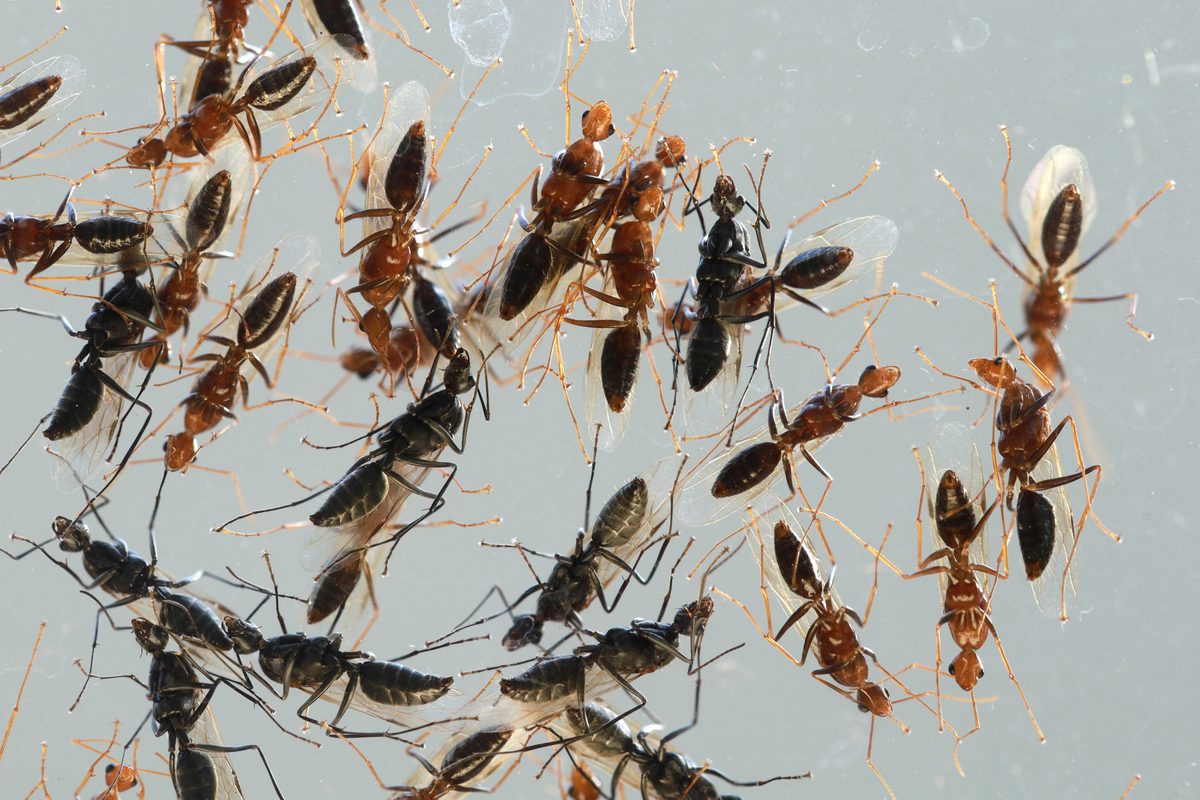
A cloud of winged insects around a window is alarming, but how to get rid of flying ants comes down to three moves. First, confirm they are ants and not termites. Second, kill the colony with bait instead of spray. Third, seal the routes they used to get in.
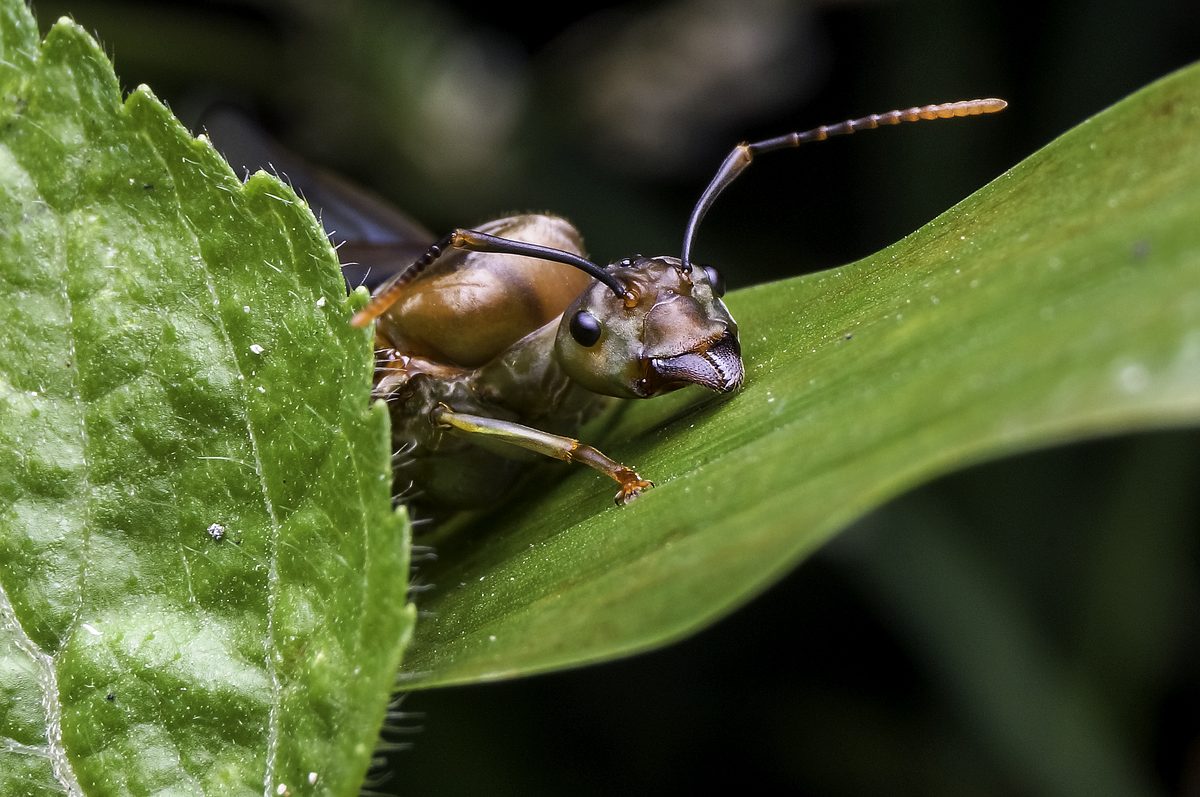
Flying ants are the winged reproductive members of an established colony, called alates, leaving on a nuptial flight to mate and found new colonies. Spotting flying ants in house windows signals a mature colony nearby, because colonies need years of growth before producing swarmers. The swarm itself is temporary; the colony behind it is the real target.
Most flying ants neither bite nor sting people; flying fire ants are the painful exception in the southern states. Therefore, the panic a swarm causes outruns the danger. Vacuum the visible insects, then spend your energy on the colony and the entry points.
Key Flying Ant Facts
| Fact | Details |
|---|---|
| What they are | Winged reproductives (alates) from a mature colony |
| Peak season | July and August, often right after rain |
| Swarm length | A few days per wave, several waves per season |
| Bite or sting risk | Low; flying fire ants are the exception |
| Best indoor control | Liquid baits carried back to the queen |
| DIY cost | Under $30 |
| Pro treatment | $200 to $300 per visit, $250 average |
Tools & Materials
Tools: vacuum with hose attachment, flashlight, caulk gun, magnifying glass or phone camera for ID
Materials: liquid ant bait stations, exterior-grade caulk, dish soap, spray bottle
Flying Ants vs Termites: How to Tell Them Apart
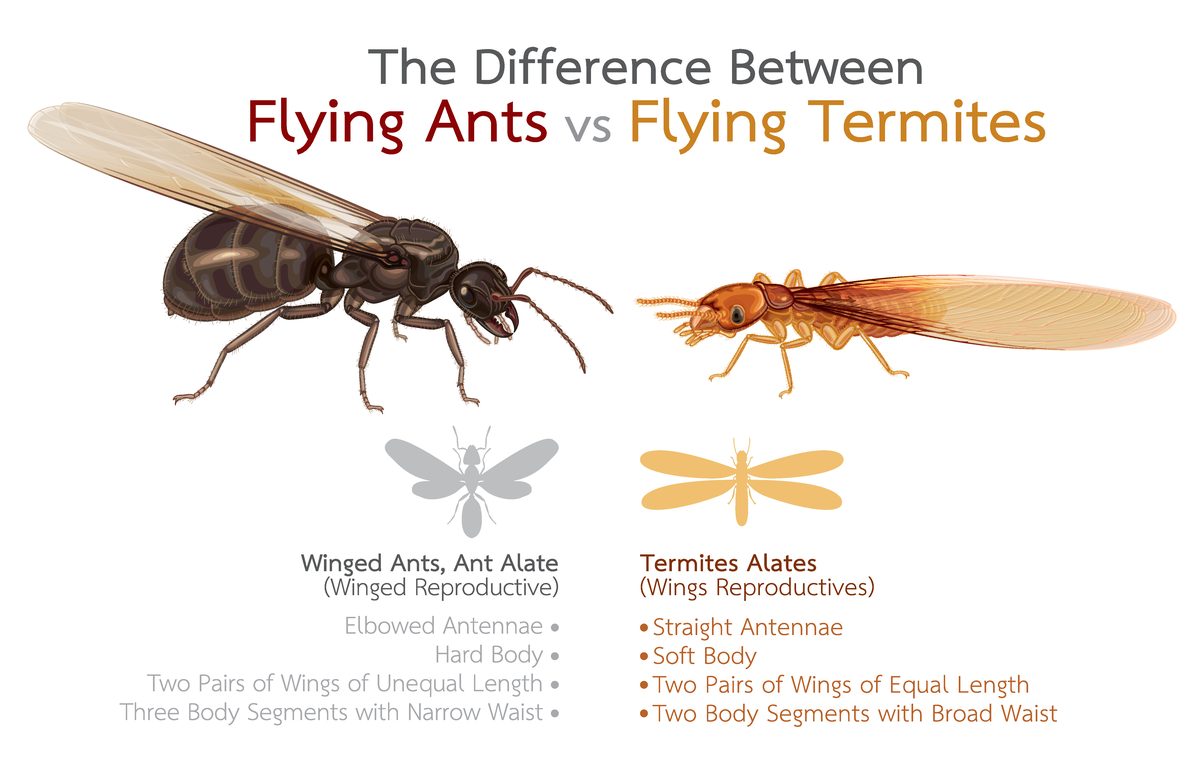
The flying ants vs termites question deserves your first five minutes, because the two pests demand opposite responses. Catch one insect with a piece of tape and look at three body parts. The differences show up even on a phone photo.
Ants show elbowed antennae, a pinched waist, and front wings longer than the hind pair, usually with a brown tint. In contrast, the University of Maryland Extension describes termites with straight antennae, a broad waist, and two equal, pale wing pairs. Shed wings tell a story too: termites drop their wings in piles on windowsills soon after landing.
Get the ID wrong in one direction and you waste $15 on bait. Err in the other direction and a termite colony eats framing for months while you fight the wrong insect. When any doubt remains, send a clear photo to your county extension office; most identify pests for free.
Why Flying Ants Swarm, and When
Colonies release swarmers to reproduce, and they synchronize with the weather. Swarms peak in July and August, in hot, humid weather, often within a day or two of rain. Each wave burns out within a few days, though a colony sends several waves across the season. Indoors, most swarmers die within a day or two; meanwhile, surviving females outdoors drop their wings and dig in as new queens.
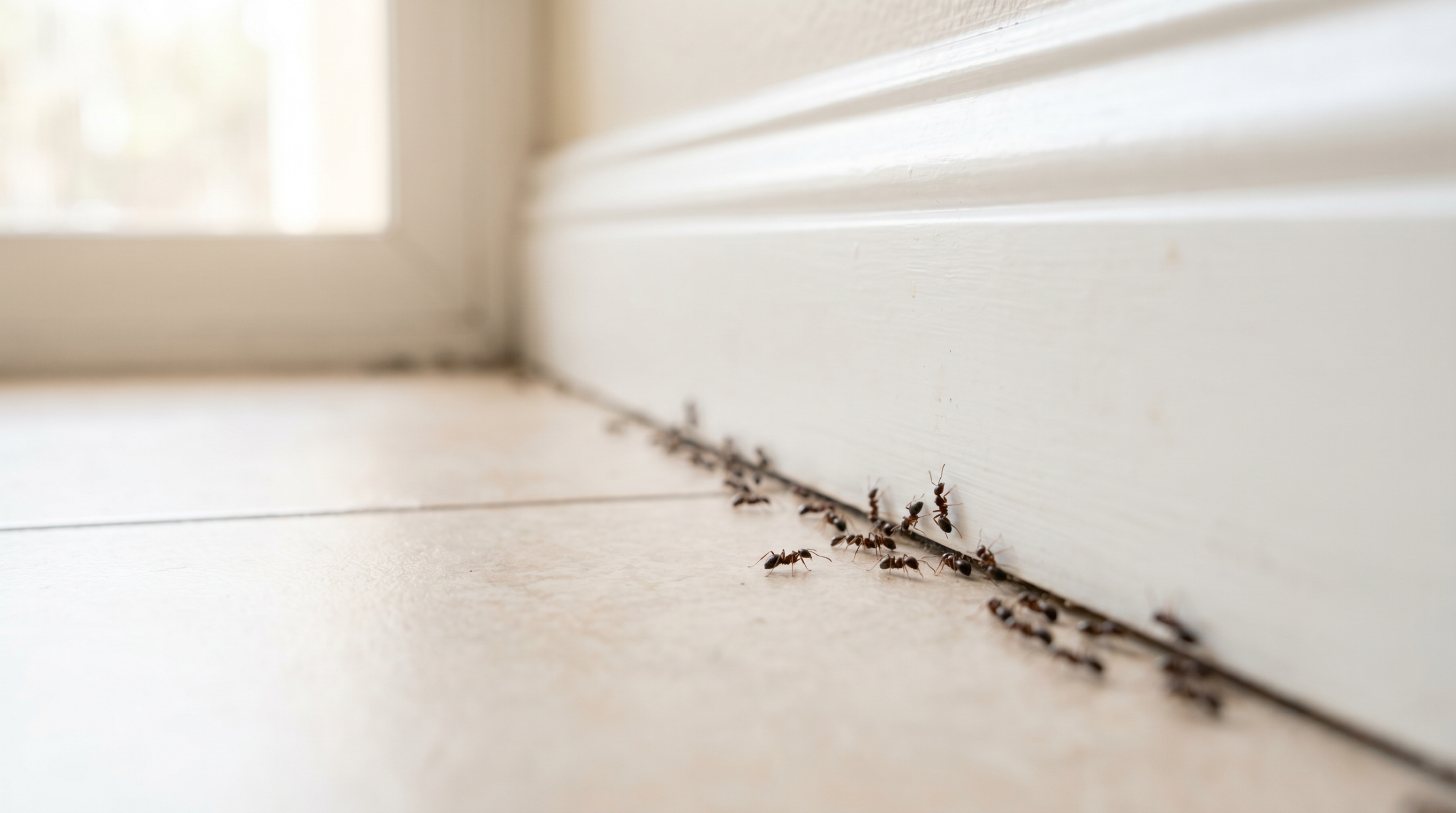
Flying ants in house walls follow warmth and light, which is why they collect on sunny windows. Watch where they emerge: a baseboard gap, an outlet cutout, or a windowsill crack marks the colony’s doorway and your future caulk line.
How to Get Rid of Flying Ants Indoors
Safety note: Place bait stations where children and pets never reach them, and skip indoor insecticide sprays entirely. Sprays scatter the colony without killing it and put chemicals on your floors for no gain.
The plan is simple: remove the visible swarmers, then let the workers deliver poison to their own queen. Work through it in order:
- Vacuum visible flying ants off windows, sills, and floors.
- Empty the vacuum canister outside immediately.
- Wipe ant trails with soapy water to erase the scent line.
- Place liquid bait stations beside any remaining trail or entry gap.
- Leave the baited area alone; foraging workers must live to carry the dose home.
- Refresh baits weekly until activity stops.
Baits work slowly on purpose. The University of California IPM program lists baits as the only insecticide it recommends indoors, because workers carry the dose back to the colony and queen. Expect a bait to need one to two weeks to collapse the colony, and resist the urge to spray the workers feeding at the station.
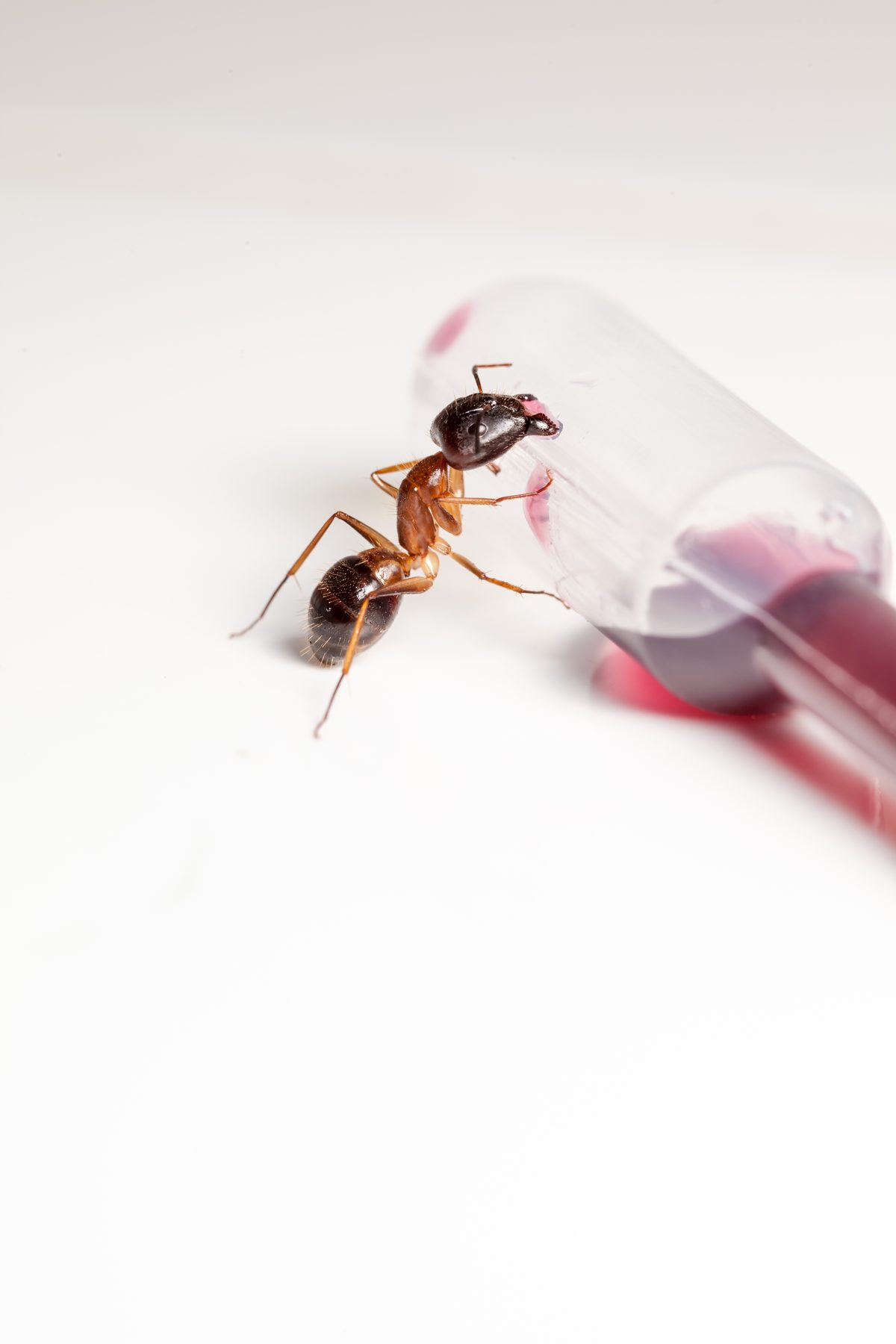
Borax does the quiet work inside popular liquid baits such as Terro. The sugar draws foragers, the borax rides home in their crops, and the colony declines from the queen outward. Slow beats fast here; a spray kills 50 ants while a bait kills the source.
Bait pick
Terro T300 Liquid Ant Baits
Borax-based stations foraging workers carry back to the queen. Place them along the trail and leave the rest to the colony.
How to Prevent the Next Swarm
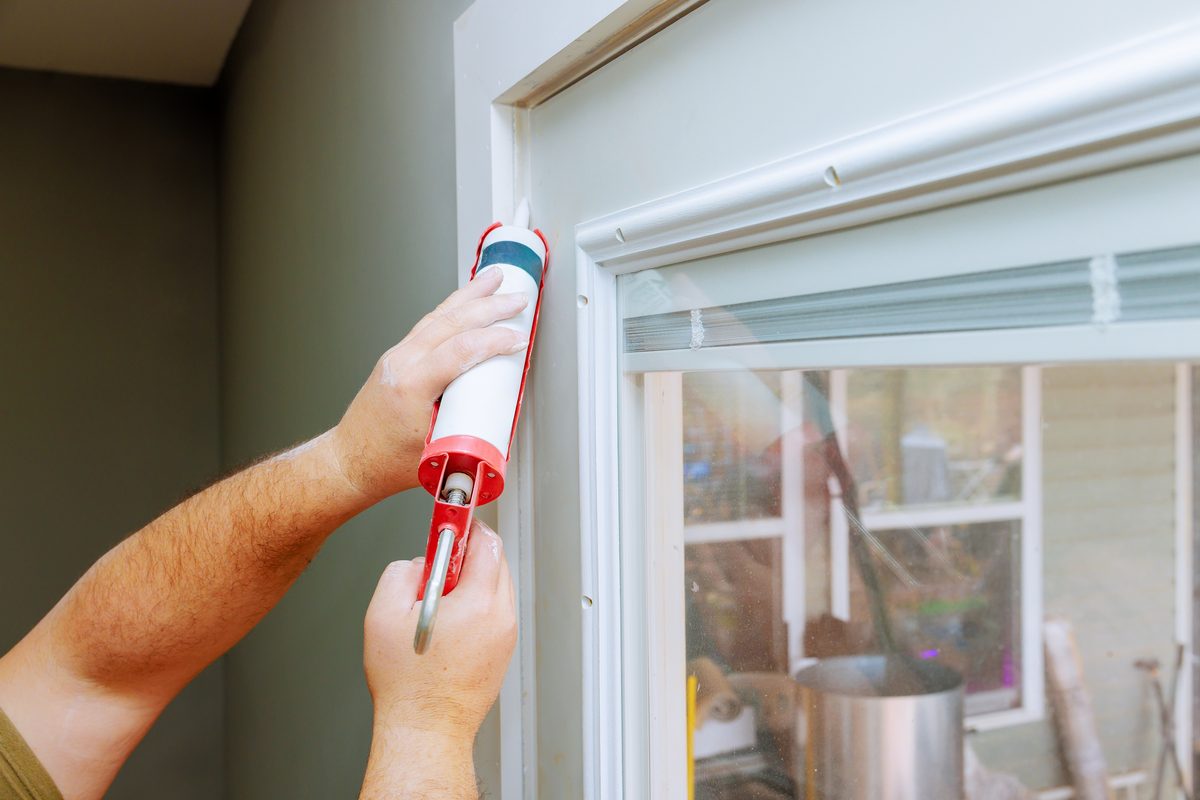
Prevention starts at the crack where the swarmers emerged. Seal baseboard gaps, windowsill splits, and outlet cutouts with exterior-grade caulk, and repeat the inspection outside at the foundation line. Our guide to DIY fixes for household bugs covers the same sealing sweep for every crawling pest.
Moisture is the other magnet. Carpenter ants in particular nest in water-damaged wood, so a stained ceiling or soft windowsill invites them in. Fix the source first; our walkthrough on how to find and fix roof leaks shows where to look after the next storm.
Finally, make the inspection seasonal. Add a ten-minute perimeter check to your spring home maintenance checklist: caulk lines, door sweeps, tree branches touching the roof, and mulch piled against siding. Ten minutes each spring beats another July swarm in the kitchen.
DIY Flying Ant Control: Pros and Cons
Weighing the bait-and-caulk route against a service contract? Start with the numbers, then the trade-offs:
Flying Ant Control: DIY vs Pro Cost
| Item | Cost |
|---|---|
| Liquid bait stations | $5 to $17 depending on pack size |
| Exterior caulk and gun | $5 to $10 |
| DIY total | Under $30 |
| Pro ant treatment | $200 to $300 per visit ($250 average) |
Pros
- Under $30 total, compared to a $250 average pro visit
- Baits target the queen, the same strategy pros use for ants
- One hour of active work; the bait does the rest
- Sealing entry points blocks spiders and roaches too
- No contract, and no waiting days for an appointment
Cons
- Results take 1 to 2 weeks while baits circulate
- A wrong ID wastes the effort if termites are the real pest
- Hidden wall colonies sometimes need professional dusting
- Bait stations must stay away from kids and pets
From experience: My house in Irvine, California, has fought seasonal Argentine ant invasions every year since 1997. Sprays scattered them for a day and the trails returned by dinner. Bait stations along the trail lines ended the problem within a week each season, and a spring caulk pass keeps the next wave outside.
When to Call a Pest Control Pro
Two situations justify the $250 visit. The first is any termite sign. Watch for indoor swarmers in winter or spring, piled wings on sills, or mud tubes on the foundation; each one points to termites, not ants. Termite damage worsens the longer it goes untreated, so speed matters more than savings there.
The second trigger is a colony beating your baits. Swarms returning wave after wave signal a deeper nest. So do workers ignoring fresh stations for two weeks, or ants streaming from wall voids in winter. A licensed operator injects dust into the void and finds satellite nests a homeowner misses. Renters should route either situation through the landlord, since structural pest control belongs to the property owner.
Final Verdict
For a summer swarm of confirmed ants, the DIY path wins. Vacuum, bait, and caulk cost under $30 and attack the colony itself, while an emergency spray visit treats the symptom at roughly ten times the price. The method asks for patience instead of money.
Yet the ID step decides everything. Five minutes with tape and a phone photo separates a $15 fix from a structural threat, so never skip it. Anyone finding equal wings and a thick waist should stop reading about ants and book a termite inspection today.
Value favors the patient route in every other case. A bait pack under $17 handles what a $250 visit handles, on a one-week delay, and the caulk pass afterward is prevention no spray truck sells. Skip the bug bombs entirely; they scatter colonies deeper into walls.
Buy a borax liquid bait such as the Terro T300 rather than spray cans, then give it two weeks before judging. If the waves keep coming after honest bait work, hand the job to a pro and spend your weekend on a better project.
How to Get Rid of Flying Ants: Frequently Asked Questions
Why do flying ants suddenly appear in my house?
A mature colony in or near your walls released its winged reproductives on a nuptial flight. Warm, humid days after rain trigger the launch, and indoor swarmers follow warmth and light to your windows. The swarm fades in days; the colony behind it remains.
How do I know if I have flying ants or termites?
Check three body parts on one captured insect. Ants have elbowed antennae, pinched waists, and unequal wing pairs. In contrast, termites have straight antennae, broad waists, and equal pale wings. Piles of shed wings on sills lean termite.
Do flying ants bite or sting?
Most species pose no real risk to people. Carpenter ant bites are rare and minor, while flying fire ants in southern states deliver painful stings. Treat the swarm as a signal, not a danger.
How long does a flying ant swarm last?
Each wave usually ends within a few days, and indoor swarmers die within a day or two on their own. Colonies send several waves across the summer, peaking in July and August, so expect a repeat until the parent colony is baited or sealed out.
What kills flying ants and their colony?
Vacuum the visible swarmers, then place borax liquid bait stations along trails and entry gaps. Workers carry the bait to the queen, and the colony collapses within one to two weeks. Sprays kill only the ants you see.
Do flying ants mean I have an infestation?
Indoor swarms point to an established colony nearby, since colonies produce swarmers only after years of growth. One outdoor swarm on a summer evening means little. Repeated indoor waves, especially from walls or floors, deserve baiting and a careful entry-point inspection.
Leave a Reply