Quick Facts:
- Project: How to remove paint from brick fireplace (interior or exterior)
- Skill level: Beginner-friendly with safety prep
- Time required: 1 to 4 days depending on method and paint layers
- Tools needed: Paint stripper, scraper, wire brush, drop cloth, respirator, nitrile gloves, eye protection
- Difficulty: Moderate (mostly slow, not technical)
- Cost: $50 to $800 depending on method
- Best for: Homeowners restoring original red, tan, or multicolored brick beneath layers of paint
11 min read
In This Guide
- How to Remove Paint from Brick Fireplace Surfaces: Overview
- Four Methods Compared at a Glance
- Safety First: Lead Paint and Ventilation
- Method 1: Chemical Strippers
- Method 2: Heat Gun Removal
- Method 3: Soda or Media Blasting
- Method 4: Mechanical Removal (Wire Brush and Sanding)
- Strip the Brick or Limewash Over It?
- Pros and Cons of Stripping Paint from Brick
- Final Verdict
- Frequently Asked Questions
How to Remove Paint from Brick Fireplace Surfaces: Overview
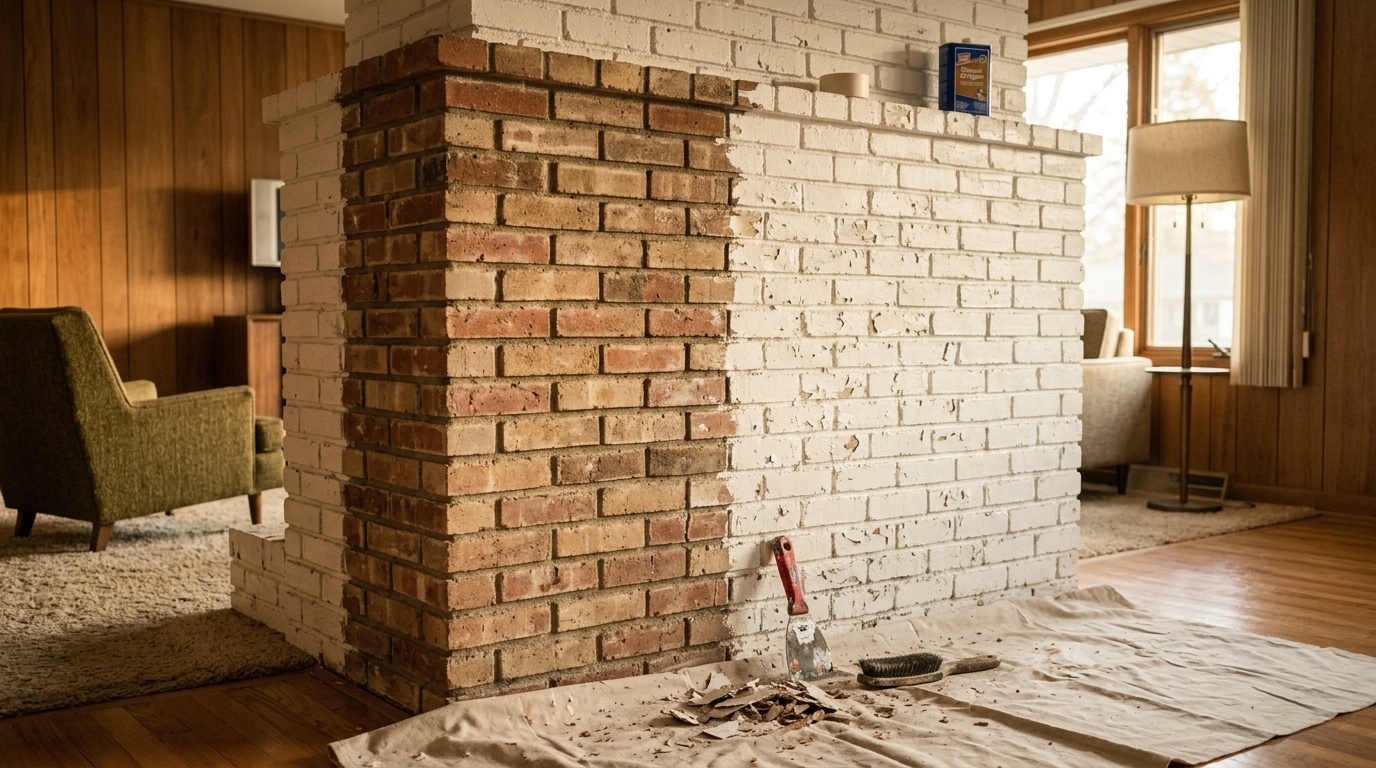
Learning how to remove paint from brick fireplace surfaces gives you back the original masonry without paying a contractor $1,500 or more. Beneath layers of latex or oil paint, your fireplace often hides red, tan, or multicolored brick worth showing off. Moreover, this guide walks beginners through four proven methods, with safety steps, real costs, and product picks for each route.
Most homeowners reach this project for one of three reasons. First, the painted finish has yellowed or peeled. Second, a previous owner painted over beautiful original brick. Third, a kitchen or living room refresh calls for the warmer feel of bare masonry. Whatever the trigger, the work itself follows a similar pattern across every method.
Brick is porous, so paint sinks into the surface and into the mortar lines. As a result, no single method removes 100% of the color in one pass. Instead, expect to apply, scrub, rinse, and repeat. For thick coatings or multiple paint layers, plan on a two-step approach: chemical removal first, followed by light mechanical cleanup.
Costs range from about $50 for a quart of citrus-based stripper to roughly $800 for a rented soda blasting setup with media. Similarly, time runs from a long weekend for a small surround to four days for a full floor-to-ceiling fireplace wall. Budget for two passes on at least one section of the brick.
Four Methods Compared at a Glance
| Method | Time | Cost | Best Use |
|---|---|---|---|
| Chemical stripper (gel or paste) | 1 to 3 days | $50 to $250 | Most homeowners, 1 to 8 paint layers |
| Heat gun and scraper | 1 to 2 days | $40 to $120 | Thin latex paint, small surfaces |
| Soda or media blasting (rental) | 4 to 8 hours | $200 to $800 | Heavy paint, exterior brick, no chemicals |
| Wire brush and sanding | 3 to 5 days | $30 to $80 | Small areas, finishing residual paint |
Top Pick for Heavy Paint
Peel Away 1 Heavy Duty Paint Remover
A 1-gallon kit covers about 20 square feet and lifts up to 30 layers in one application, including older lead-based paints.
Safety First: Lead Paint and Ventilation
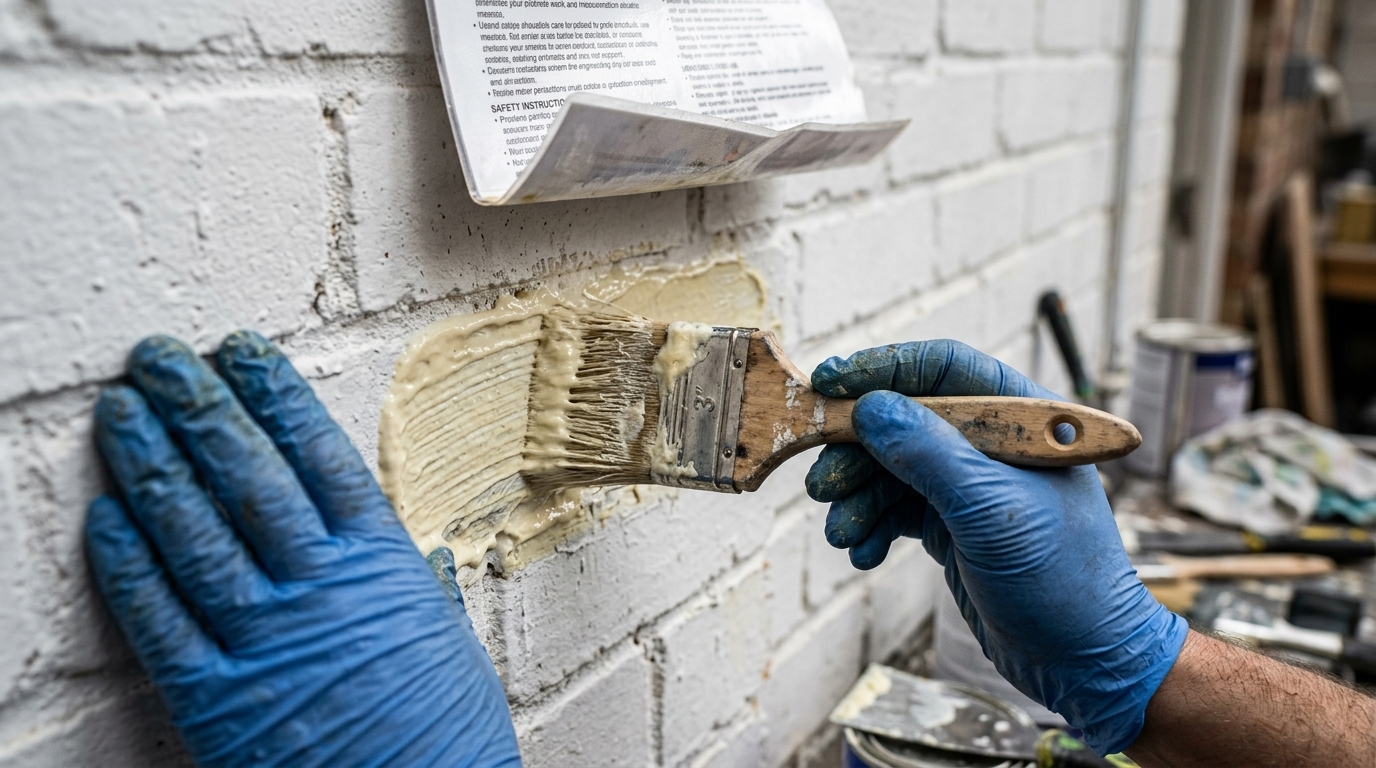
Before any stripping starts, confirm whether your fireplace was painted before 1978. Any paint from before then in the US likely contains lead, following the 1978 CPSC residential lead-paint ban. The EPA Renovation, Repair and Painting (RRP) rule sets safe removal practices, especially for homes with children under six. Pick up a lead test kit at any hardware store for about $15 and swab two or three spots on the painted surface.
If lead shows up, switch your approach. Skip dry sanding, dry scraping, and heat guns hotter than 1,100°F, since each method releases lead dust or fumes. Instead, lean on a slow chemical method like Peel Away 1, which encapsulates lead paint into a removable poultice. For peace of mind on bigger jobs, hire an EPA-certified lead abatement contractor.
Whatever the paint age, ventilation matters. Open every window in the room, set a box fan in one window pointed outward, and shut interior doors so air pulls past your work area. Wear a respirator rated for organic vapors (such as 3M 6000 series with P100 cartridges), nitrile gloves rated for solvents, and wraparound eye protection. Drop cloths protect floors from caustic drips. For more on the chemicals worth keeping out of an enclosed room, see this DIYtalk piece on household chemical safety.
Method 1: How to Remove Paint from Brick Fireplace with Chemical Strippers
Chemical stripping is the most beginner-friendly answer to how to remove paint from brick fireplace masonry. Modern gel and paste strippers cling to vertical surfaces, soften the paint over hours, and peel off with a plastic scraper. Notably, no grinder, dust cloud, or rented equipment is needed.
Three products dominate the category. First, Peel Away 1 handles 8 to 30 layers and is the go-to for older homes with lead paint. Second, Citristrip Stripping Gel works well on one to four layers of latex or oil paint and costs about $14 per quart. Finally, Smart Strip Pro from Dumond falls in between, with a paste handling up to 20 layers and rinsing clean with water.
Step-by-Step: Using a Chemical Stripper on Fireplace Brick
Start by dusting and vacuuming the brick. Loose debris stops the stripper from making solid contact with the paint. Mask the mantel, hearth, and floor with painter’s tape and 6-mil plastic sheeting.
Next, apply a thick coat (about 1/8 inch) of stripper using a 3-inch chip brush. Push the product into mortar joints and brick texture. For Peel Away 1, lay the included laminated paper over the wet stripper and press it flat so the paste stays moist. Citristrip and Smart Strip Pro also benefit from a plastic sheet cover.
Next, wait the full dwell time. For Citristrip, this means 30 minutes minimum and up to 24 hours. Peel Away 1 needs 24 to 48 hours on heavy paint. Afterward, test a small section by lifting one corner of the paper or plastic and scraping. If the paint lifts cleanly, work the rest in 2-foot sections.
After scraping, scrub residue out of mortar lines with a nylon brush and warm water. For Peel Away 1, neutralize with the included Citri-Lize liquid or a 50/50 white vinegar rinse, then test pH with strips until you read 7.0. Once dry, you might spot tiny ghost stains in deep brick pores. A second light coat of stripper or a brief wire-brush pass clears them.
Similar paint problems show up around windows, doors, and trim. If yours has lifting flakes, our companion guide on fixing peeling paint covers prep work and primer pairings.
Method 2: Heat Gun Removal
Heat guns soften paint enough to lift it with a scraper. The method works best on thin layers of latex paint over solid red or tan brick. However, heat removal carries real risks on a fireplace, since the firebox brick has already absorbed years of heat cycling and might spall when reheated.
Pick a variable-temperature gun rated 1,000 to 1,200°F (such as the Wagner Furno 500 or DeWalt D26960) and hold it 2 to 3 inches from the surface. Move the gun in slow, overlapping passes. Once paint bubbles, push a flat carbide scraper at a low angle to lift the softened coating.
Keep a spray bottle of water and a fire extinguisher within arm’s reach. Never aim the gun at wood trim, mantels, or upholstered furniture. Skip this method entirely if lead is in play. Heat over 1,100°F vaporizes lead and creates a serious inhalation hazard.
Plan on a slow pace. A 4-foot by 8-foot fireplace wall takes 8 to 12 hours of focused work with a heat gun. Many DIYers combine heat for the bulk of the paint and chemical stripper for the corners and mortar lines.
Method 3: Soda or Media Blasting
Blasting fires fine particles (baking soda, crushed walnut shell, or dry ice) against the painted brick. The impact chips paint loose without grinding away the brick face the way sandblasting does. As a result, blasting works well on exterior brick, stone, and tougher masonry resistant to chemical strippers.
Costs split two ways. A pro blasting crew charges $1.50 to $4.00 per square foot for soda blasting on residential brick, per Angi 2026 data. A DIY rental setup runs $200 to $300 per day for the pot and gun, plus $75 to $125 per 50-pound bag of media. Most fireplace surrounds need 2 to 4 bags.
Step-by-Step: Renting a Soda Blaster for a Fireplace
Reserve a portable soda blasting kit from a tool rental yard or equipment dealer. Confirm the kit includes a pressure pot, hose, nozzle, blast hood, and gloves. Air supply is separate; you also need a compressor rated 10 CFM or higher at 90 PSI.
Move all furniture out of the room and tarp every surface. Soda residue covers everything within 10 feet. Open windows, run a box fan, and wear a full-face respirator with P100 cartridges. Set the pot pressure to 60 to 80 PSI and hold the nozzle 6 to 12 inches from the brick.
Sweep the nozzle in short passes. Letting the stream dwell pits the brick face. After blasting, vacuum residue with a HEPA shop vac, rinse the brick with clean water, and let it dry 48 hours before sealing. Soda blasting leaves a slight alkaline residue which interferes with masonry sealers if you skip the rinse.
Save on a Lighter Stripper
Citristrip Stripping Gel, 1 Quart
A budget pick under $15 for fireplaces with one to four paint layers. Citrus scent, low fumes, safe for indoor work with ventilation.
Method 4: Mechanical Removal (Wire Brush and Sanding)
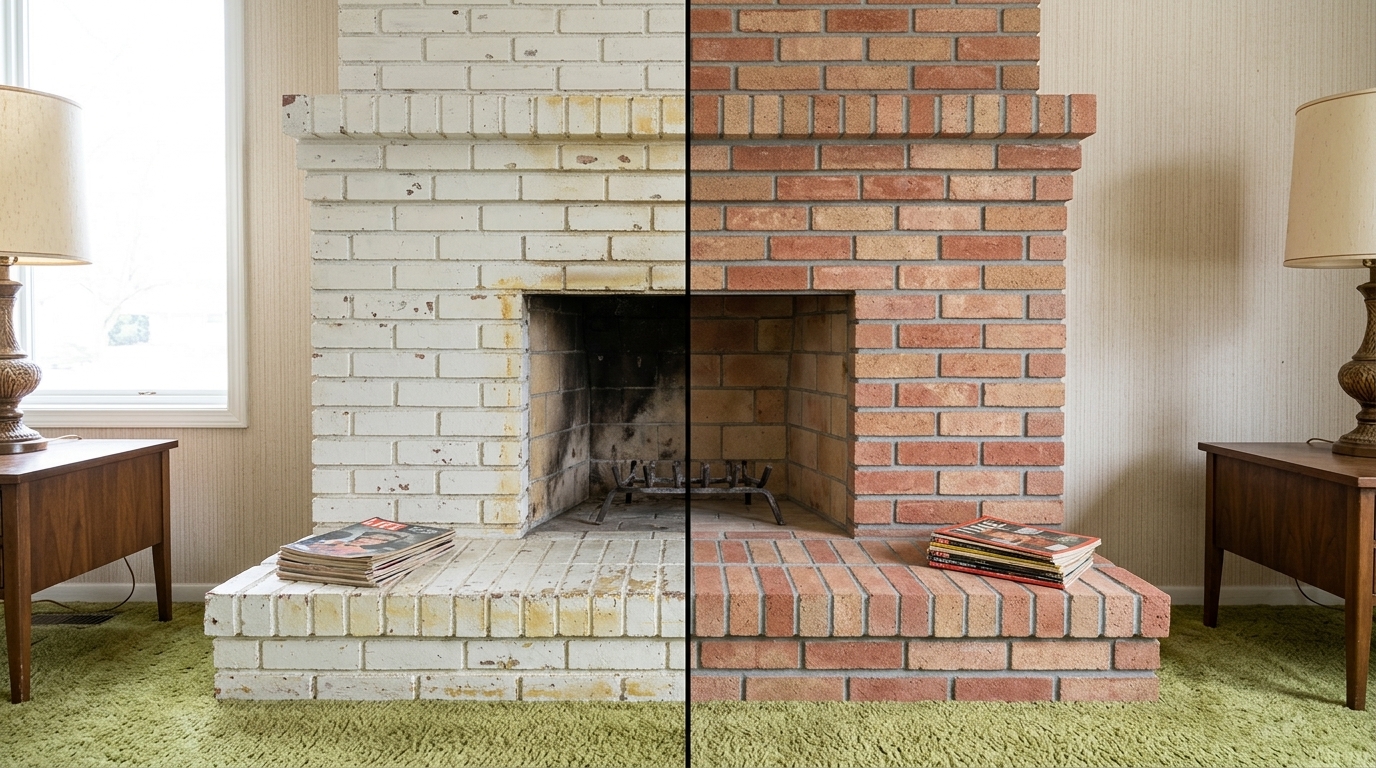
Mechanical removal teaches you how to strip painted brick using only wire brushes, twisted-knot cup wheels, and orbital sanders. The method costs the least and produces zero chemical waste. However, it also takes the longest and creates serious dust, so it works best on smaller surrounds or as a finishing step after chemical stripping.
One of our DIYtalk editors stripped a small living-room fireplace this way using a 4-inch angle grinder with a stainless wire cup brush, plus an orbital sander for cleanup. The job stretched well past one weekend, even on a surround under 30 square feet. The lesson: mechanical-only works for patient DIYers with proper PPE and a tolerance for slow progress.
Tools and Grit Sequence for Mechanical Stripping
Start with a stiff hand wire brush for crevices and a twisted-knot cup brush on a variable-speed angle grinder for flat brick faces. Keep the grinder at 6,000 RPM or lower to reduce sparks and brick damage. After the bulk of the paint comes off, switch to an orbital sander with 60-grit paper for the surfaces, then step up to 120-grit for finishing.
For a fuller grit-selection cheat sheet on this kind of finishing work, the DIYtalk sandpaper grit chart breaks down where each grit belongs across wood, drywall, and masonry projects.
Wear a P100 respirator, sealed safety glasses, hearing protection, and a long-sleeve work shirt. Brick dust irritates eyes and lungs even without lead in the mix. Vacuum the brick frequently with a HEPA shop vac, since loose dust hides remaining paint pockets in the mortar joints.
Strip the Brick or Limewash Over It?
Sometimes the better answer is not to strip at all. For instance, limewash and German smear cover painted brick with a thin, breathable mineral coating which softens the painted look without removing the underlying layer. The result lands somewhere between bare brick and full paint, and the application takes a single afternoon.
Stripping wins when you want the full natural brick color and texture back, or when the painted layer is failing and trapping moisture. By contrast, limewashing wins when the painted brick is intact and you want a faster, cheaper refresh. Pricing reflects the gap: knowing how to strip paint from brick fireplace surfaces averages $200 to $800 in materials, while a limewash treatment runs $40 to $90 in lime, pigment, and brushes. For a related lighter-touch refinish on wood pieces, our piece on whitewashing technique covers similar mineral-finish principles.
Consider the home’s age too. Bricks made before 1900 are softer and sometimes called “salmon brick” because of their pink tone. Soft brick chips under aggressive scraping and absorbs chemical strippers deeply. For pre-1900 fireplaces, smart paint removal brick fireplace work means limewash or gentle Peel Away. Skip blasting and grinding entirely.
Pros and Cons of Stripping Paint from Brick
Pros
- Recovers original masonry character worth thousands in resale appeal
- Eliminates trapped moisture behind sealed paint layers
- Chemical strippers handle 8 to 30 paint coats in one cycle
- Total cost under $250 for most home-sized fireplaces
- Removes failing paint before it flakes onto carpets or floors
- Restores natural breathability of brick and mortar
Cons
- Plan on 1 to 4 days of active work
- Lead-paint testing adds a $15 cost and a safety hurdle
- Mortar lines hold residual paint after one pass
- Aggressive methods scar soft pre-1900 brick
- Pre-existing soot staining shows through bare brick
Final Verdict
For a typical homeowner, learning how to remove paint from brick fireplace surfaces comes down to one product call. Peel Away 1 covers heavy paint and older lead coats. By contrast, Citristrip handles light jobs under $15. Pick by paint layer count, not brand name.
If you face one to four layers of latex paint and no lead, start with Citristrip. The price stays low, fumes stay manageable, and most fireplaces clear in two passes. However, for 8 or more layers, painted-over lead, or stubborn oil-based coats, jump straight to Peel Away 1 and budget for one full weekend of work plus drying time.
Skip blasting unless the fireplace sits on an exterior wall or you face heavily painted commercial-grade brick. For interior work, the dust and overspray rarely justify the rental cost. Mechanical-only removal works for patient DIYers, but pair it with a chemical first pass on anything larger than 20 square feet. While planning, slot the project into a broader spring home maintenance rhythm so prep, drying, and cleanup line up with available time.
The biggest mistake we see at DIYtalk is rushing the dwell time. Stripper sitting for four hours on heavy paint lifts about 30% of the coating. By contrast, the same stripper at 24 hours lifts 90% or more. Patience beats elbow grease every time on painted brick.
Ready to Buy?
Smart Strip Pro Paint Remover (Gallon)
Strips up to 20 layers in one pass on brick, stone, and masonry. Water-based, low odor, and rinses clean with no caustic neutralizer step.
Frequently Asked Questions
Is paint removal from a brick fireplace a DIY job?
Yes. Most homeowners learn how to get paint off brick fireplace surfaces with a gel chemical stripper, a plastic scraper, and a wire brush. Plan on one to three days for a standard surround. For lead-based paint or 8-plus layers, step up to Peel Away 1 and allow extra dwell time.
How do you get white paint off a brick fireplace?
White paint usually means latex over an older oil-based primer. First, apply Citristrip or Smart Strip in 1/8-inch coats, cover with plastic, and wait 24 hours. White latex lifts in one pass. Afterward, the older primer below often needs a second light coat or a finish with a stiff nylon brush.
How much does it cost to strip paint from a brick fireplace?
Learning how to strip paint from brick fireplace surfaces yourself runs $50 to $250 in materials for an average surround. By contrast, a pro service runs $400 to $1,500 depending on size and the number of paint coats. Similarly, blasting jobs sit higher, often $1.50 to $4.00 per square foot.
Will paint stripper damage the brick?
Quality masonry-safe strippers (Peel Away 1, Smart Strip Pro, Citristrip) do not damage brick if you follow dwell times and neutralize as directed. However, soft pre-1900 brick is the exception; test a hidden spot first. Sandblasting damages brick surfaces and is the riskier method for any vintage masonry.
How do you remove paint from interior brick fireplace without chemicals?
For a chemical-free approach, combine a heat gun (set under 1,000°F) with a carbide scraper, followed by a wire brush for mortar lines. Additionally, soda blasting is another non-chemical option, though it generates significant dust. Both methods take longer than gel strippers.
Should you strip paint or limewash the brick instead?
Strip when you want the full original brick look or the existing paint is failing. Limewash when the painted brick is intact and you want a faster refresh under $90. Likewise, limewashing keeps the brick breathable while softening harsh painted whites.

Leave a Reply