Quick Verdict: April is one of the strongest months for starting a vegetable garden, with 15 vegetables to plant in April spanning cool-season and warm-season crops for Zones 3 through 10. Fast-maturing picks like radishes produce in as few as 22 days, while warm-season transplants like tomatoes need nighttime temperatures above 50°F before going outdoors. Each plant profile below includes spacing, harvest timing, and companion planting notes.
Last updated: April 2026 | 9 min read
In This Guide
Your April Planting Guide
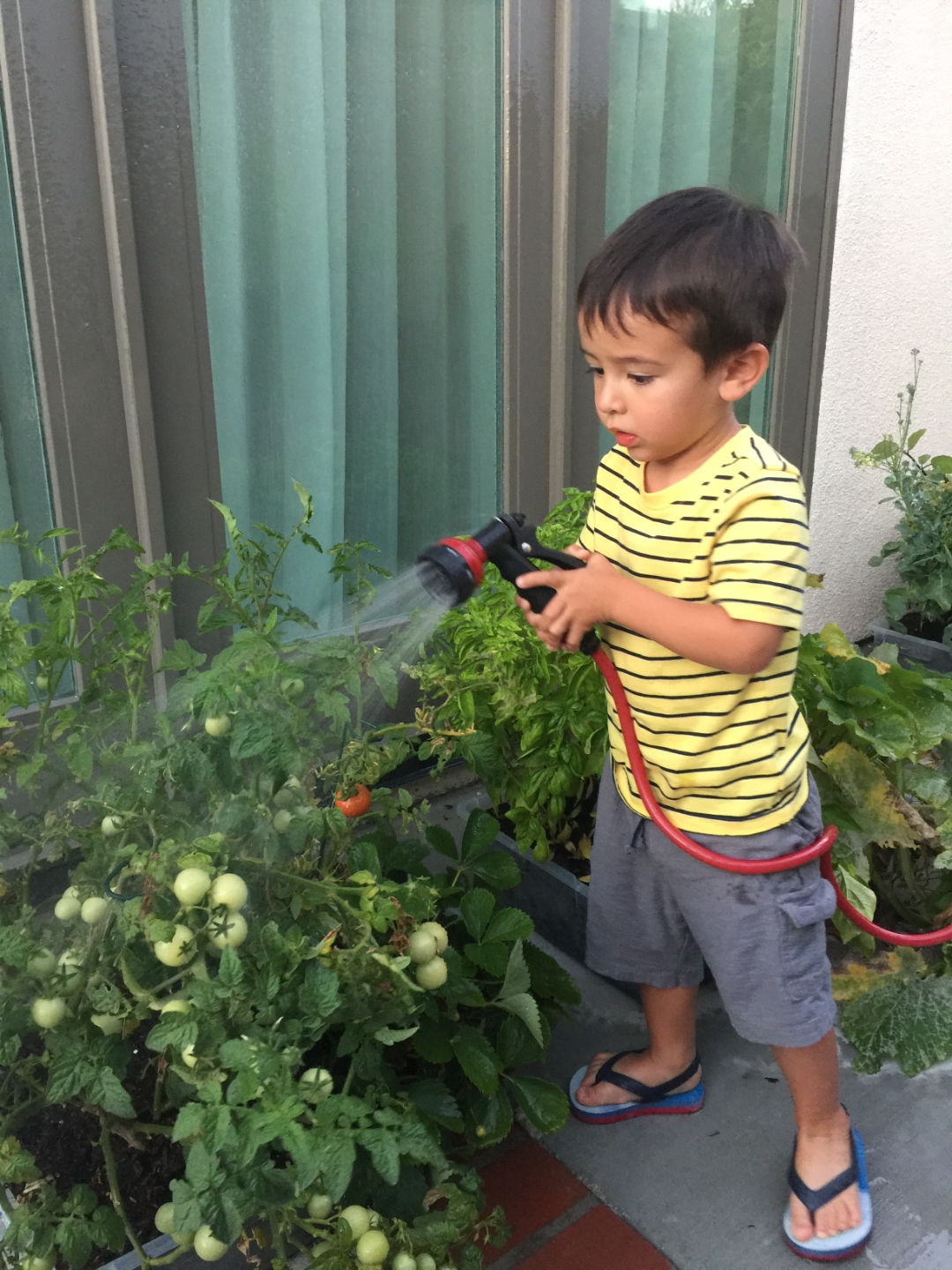
My grandparents put me in the garden before I learned to ride a bike. Their rules were simple: lettuce goes in early, tomatoes wait for warm soil. Three decades later, I still follow those same lessons, and I now teach my son the same vegetables to plant in April every spring.
April offers a unique window for gardeners because both cool-season and warm-season crops overlap across many climate zones. Zones 3 through 5 are still cool enough for direct-sowing frost-tolerant vegetables to plant in April, while warm-season starts stay indoors until late spring. In Zones 6 through 8, direct sowing of lettuce, spinach, and peas begins alongside transplanting of tomatoes and peppers after mid-month. Southern gardens in Zones 9 and 10 already have warm-season planting in full swing by early April.
This April planting guide covers 15 vegetables and herbs, including frost-tolerant lettuce and heat-loving eggplant. Each plant profile provides seed depth, spacing, days to harvest, and companion planting notes. Whether you are starting your first spring garden or adding new crops, the best vegetables to plant in spring are the ones matched to your local frost date and growing conditions.
Cool-Season vs. Warm-Season: Quick Reference
Before planning your rows, divide these 15 plants into two groups based on frost tolerance. Cool-season crops handle light frosts and prefer soil temperatures between 50°F and 70°F. In contrast, warm-season crops need soil above 60°F and die back at the first sign of frost.
| Category | Plants | Frost Tolerance | April Planting Window |
|---|---|---|---|
| Cool-Season | Lettuce, Spinach, Snap Peas, Radishes, Carrots, Cilantro | Tolerates frost to 28°F | Direct sow early April (most zones) |
| Warm-Season | Tomatoes, Bell Peppers, Hot Peppers, Eggplant, Zucchini, Squash, Cucumbers, Green Beans, Basil | No frost tolerance | After last frost (Zones 7+ in April) |
New to gardening? First, try radishes, lettuce, snap peas, and zucchini. These four plants are forgiving, grow quickly, and produce harvests within 30 to 60 days with minimal maintenance.
Cool-Season Vegetables to Plant in April
Cool-season crops form the backbone of April garden planting because they tolerate light frosts and germinate in soil as cool as 40°F. As a result, these six plants produce some of the fastest harvests in any spring garden. In most zones, direct sowing starts 4 to 6 weeks before the last frost date.
Lettuce
Lettuce thrives in cool April temperatures, specifically between 45°F and 65°F. Sow seeds directly in the ground as soon as your soil is workable, since lettuce tolerates light frosts without protection. For a continuous harvest, plant a new row every 2 weeks through late spring.
Spinach
Since spinach prefers cool soil between 35°F and 75°F, it goes into the ground earlier than most crops. Compared to lettuce, spinach also performs well in partial shade, extending the harvest window before summer heat triggers bolting. After sprouting their first true leaves, thin seedlings to 4 inches apart for the best yields.
Snap Peas
Snap peas are one of the most rewarding cool-season crops because they produce edible pods within 60 to 70 days. Plant seeds 1 inch deep and 3 inches apart along a trellis or fence, since pea vines climb 4 to 6 feet tall. However, peas stop producing once daytime temperatures exceed 80°F, so timing the April planting correctly determines whether you get a strong harvest or a short one.
Radishes
Radishes are the fastest vegetable on this list, producing edible roots in as few as 22 days. Because they mature so quickly, radishes work well as a marker crop planted between slow-germinating carrots to mark the row. Sow seeds 1/2 inch deep and 2 inches apart, then thin to 3 inches after germination.
Carrots
Carrots need loose, rock-free soil to grow straight roots at least 6 to 8 inches deep. Since carrot seeds are tiny, mix them with sand before sowing to achieve even spacing. Germination takes 14 to 21 days, making carrots slower than most April vegetables. After thinning seedlings to 2 inches apart, leave them undisturbed until harvest at 70 to 80 days.
Cilantro
Cilantro is one of the best herbs to plant in April because it prefers temperatures between 50°F and 80°F. However, cilantro bolts (goes to seed) rapidly once temperatures climb above 75°F, making bolting the number-one frustration for home growers. To extend the harvest, plant a slow-bolt variety and succession sow every 2 to 3 weeks through spring. After bolting starts, let the plant produce coriander seeds for cooking.
Warm-Season Vegetables to Plant in April
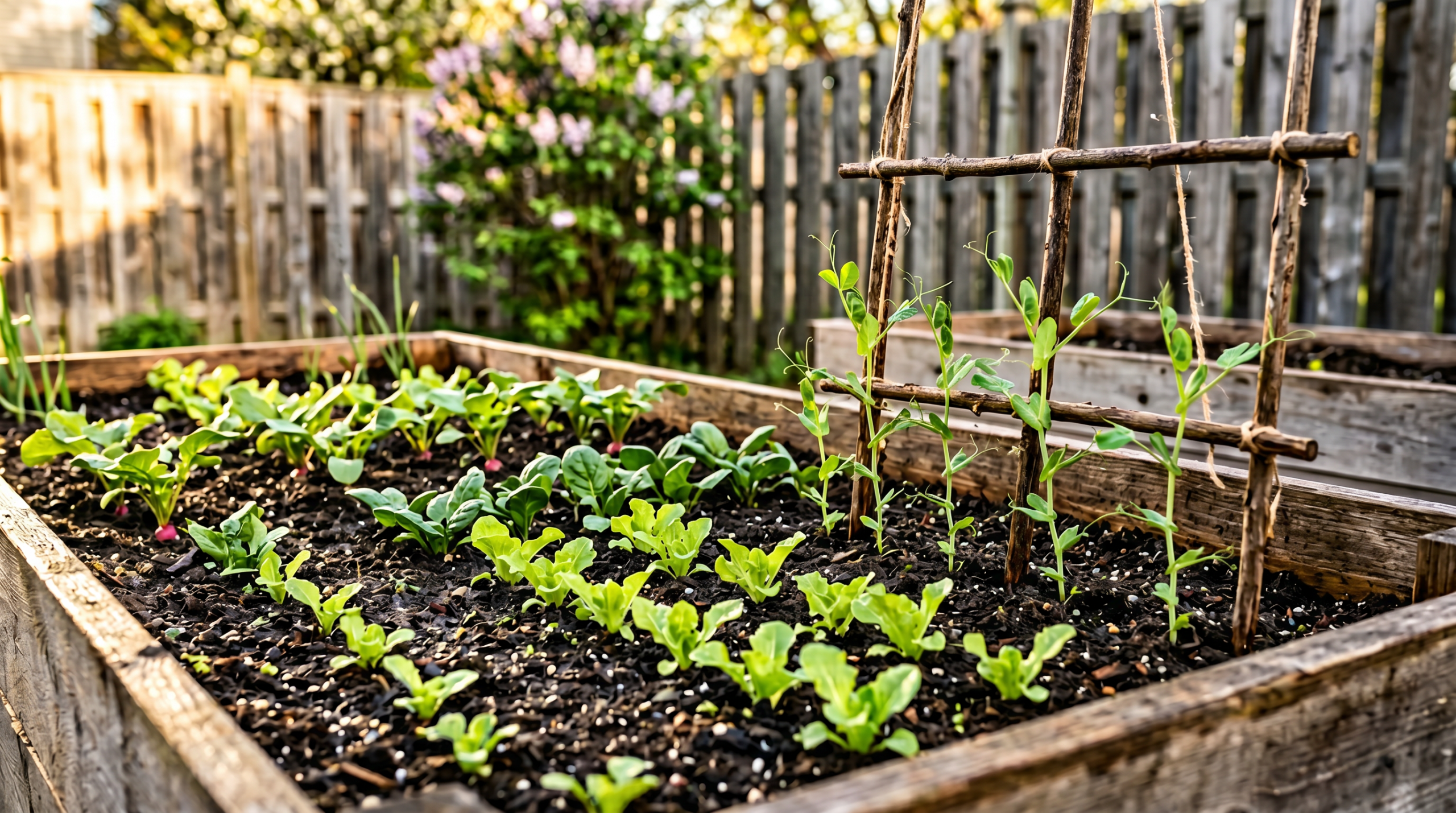
Warm-season crops need soil temperatures above 60°F and nighttime air above 50°F before going outdoors. In Zones 7 through 10, these conditions typically arrive by mid-April, making it safe to transplant starts directly into the garden. For Zones 3 through 6, April is the time to start seeds indoors under grow lights, then transplant outdoors in May or early June after the last frost passes.
Tomatoes
Tomatoes are the most popular warm-season garden crop, producing 10 to 15 pounds of fruit per plant over a season. Notably, Zones 7 through 10 are warm enough for transplanting seedlings outdoors after mid-April, when nighttime temperatures stay above 50°F. For northern zones, start seeds indoors 6 to 8 weeks before the last frost and transplant once the soil reaches 60°F. My son and I grow tomatoes in patio containers every spring; after years of practice, they remain one of the crops I know best.
Bell Peppers
Bell peppers need warm soil above 65°F and full sun for at least 6 hours daily. Because they take 60 to 90 days to reach harvest from transplant, starting seedlings indoors 8 weeks before the last frost is essential. Transplant outdoors only after nighttime temperatures hold above 55°F for a full week. Green peppers mature first, while red, yellow, and orange varieties take an additional 2 to 3 weeks on the vine.
Hot Peppers
Hot peppers, including jalapenos, serranos, and habaneros, need the warmest soil of any vegetable on this list. Similarly to bell peppers, start seeds indoors 8 to 10 weeks before the last frost date. However, hot peppers take 70 to 90 days to mature, so they need the longest frost-free growing window of any crop here. Mulch heavily after transplanting to retain soil warmth during cool April nights.
Eggplant
Eggplant prefers the same warm conditions as peppers, specifically soil temperatures above 65°F and nighttime air above 55°F. Start seeds indoors 8 to 10 weeks before the last frost date, then transplant after the soil warms. Although eggplant grows slowly at first, each plant produces 5 to 8 fruits over a single season. Space plants 18 to 24 inches apart in a location with at least 6 hours of full sun exposure.
Zucchini
Zucchini is one of the most prolific vegetables in any spring garden, with a single plant producing 6 to 10 pounds of fruit. Because seeds germinate quickly in 7 to 14 days, direct sowing after the last frost works well in Zones 7 through 10. For cooler zones, start seeds indoors 3 to 4 weeks before the last frost. Space plants 24 to 36 inches apart, since zucchini spreads aggressively and needs room to vine.
Squash
Squash varieties range widely, specifically from quick-maturing summer types (50 to 60 days) to slow-growing winter types (80 to 100 days). Since summer squash like yellow crookneck grows similarly to zucchini, it goes outdoors after the last frost in mid-April for Zones 7 and above. Winter squash, however, needs the longest growing season, so start seeds indoors in early April for a fall harvest. Space all squash plants 36 to 48 inches apart to accommodate their sprawling vines.
Cucumbers
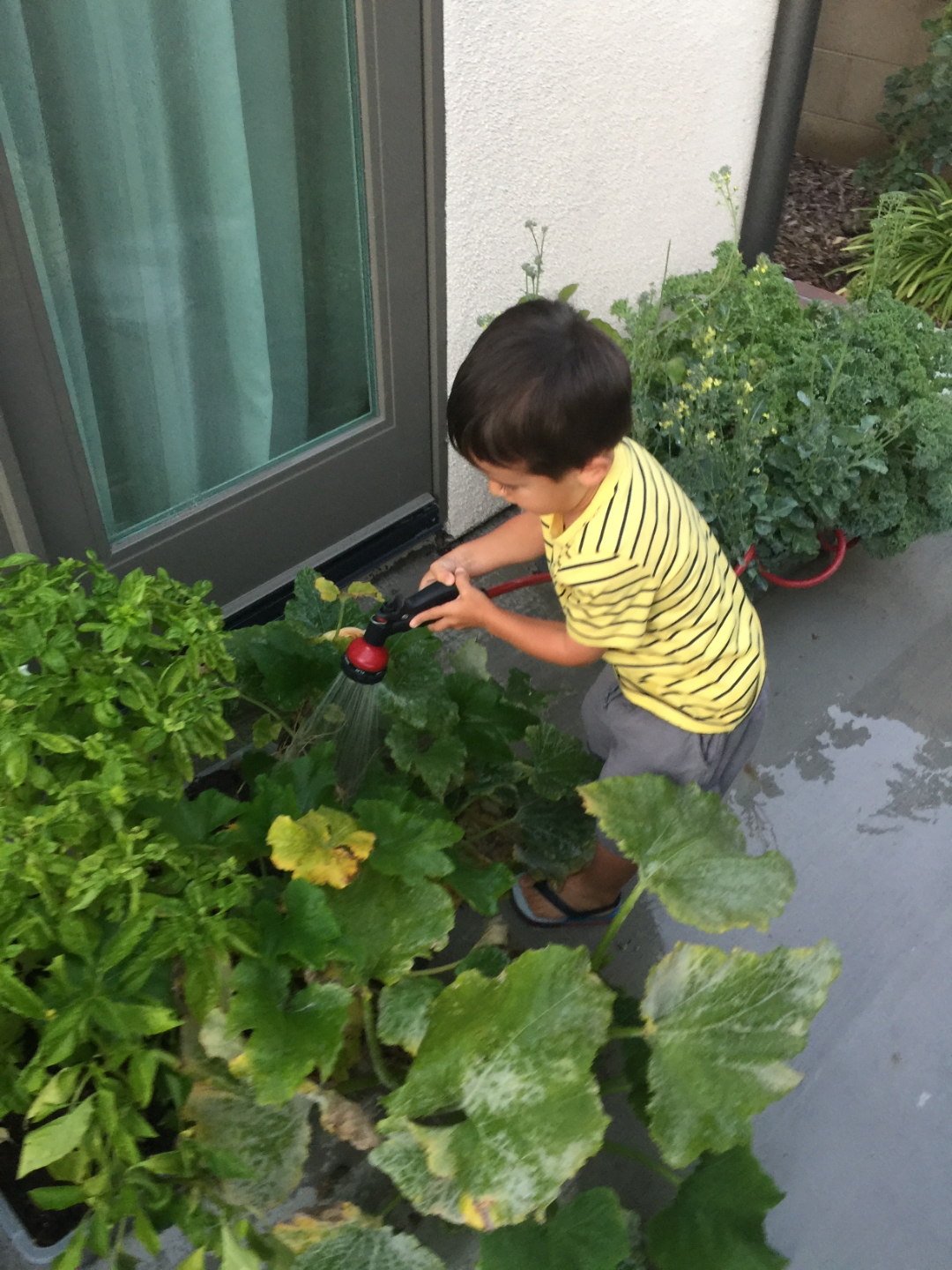
Cucumbers thrive in warm soil above 60°F and, notably, produce harvestable fruit within 50 to 70 days of planting. Because cucumber seeds germinate in as few as 3 days, direct sowing after the last frost gives fast results in warm zones. Trellising vining varieties saves garden space and also keeps fruit off the ground, reducing rot. For bush varieties, space plants 12 to 18 inches apart in full sun.
Green Beans
Green beans are a direct-sow favorite because they grow poorly when transplanted. Plant seeds 1 inch deep and 4 to 6 inches apart after your last frost date, since beans need soil above 60°F to germinate. Bush varieties produce in 50 to 60 days, while pole varieties take 60 to 70 days but yield a larger total harvest. Before planting, note where you grew beans last year; rotating crop locations prevents soil-borne diseases.
Basil
Basil needs warm soil above 50°F and at least 6 hours of full sun for strong leaf production. Because basil is frost-sensitive, transplant seedlings outdoors only after nighttime temperatures hold above 50°F. In Zones 8 through 10, direct sowing also works once April soil is warm enough. I grow basil next to my tomatoes every spring, since the pairing provides both flavor benefits and natural pest protection. For the best harvest, pinch off flower buds as they appear to keep the plant yielding through September.
Companion Planting for Your April Garden
Pairing the right plants together boosts growth and also reduces pest pressure in your garden beds. Because several of the 15 vegetables on this list are natural partners, you maximize every square foot of garden space with thoughtful placement. Below are the strongest April garden planting pairings to try this season.
- Tomatoes + Basil: Basil repels aphids and whiteflies while improving tomato flavor.
- Carrots + Lettuce: Lettuce shades carrot shoulders; carrots loosen soil for lettuce roots.
- Radishes + Cucumbers: Radishes deter cucumber beetles and finish before cucumbers need the space.
- Green Beans + Squash: Beans fix nitrogen in the soil, and squash leaves shade out weeds.
- Spinach + Snap Peas: Both prefer cool soil; peas provide afternoon shade as spinach matures.
- Cilantro + Tomatoes: Cilantro attracts beneficial insects, including lacewings and hoverflies.
Raised beds are ideal for companion planting because they keep plants close together and warm soil 2 to 3 weeks faster than ground-level rows. In addition, building your own beds is straightforward; use waterproof wood glue on the joints for a frame lasting 10 or more years. Afterward, smooth rough edges with the right sandpaper grit to protect hands during planting season.
Consistent watering, especially during the first 2 weeks after transplanting, determines whether root systems establish strongly or fail. For gardens on well water, keeping your well pump in working order prevents supply interruptions during the growing season.
April Harvest Timeline
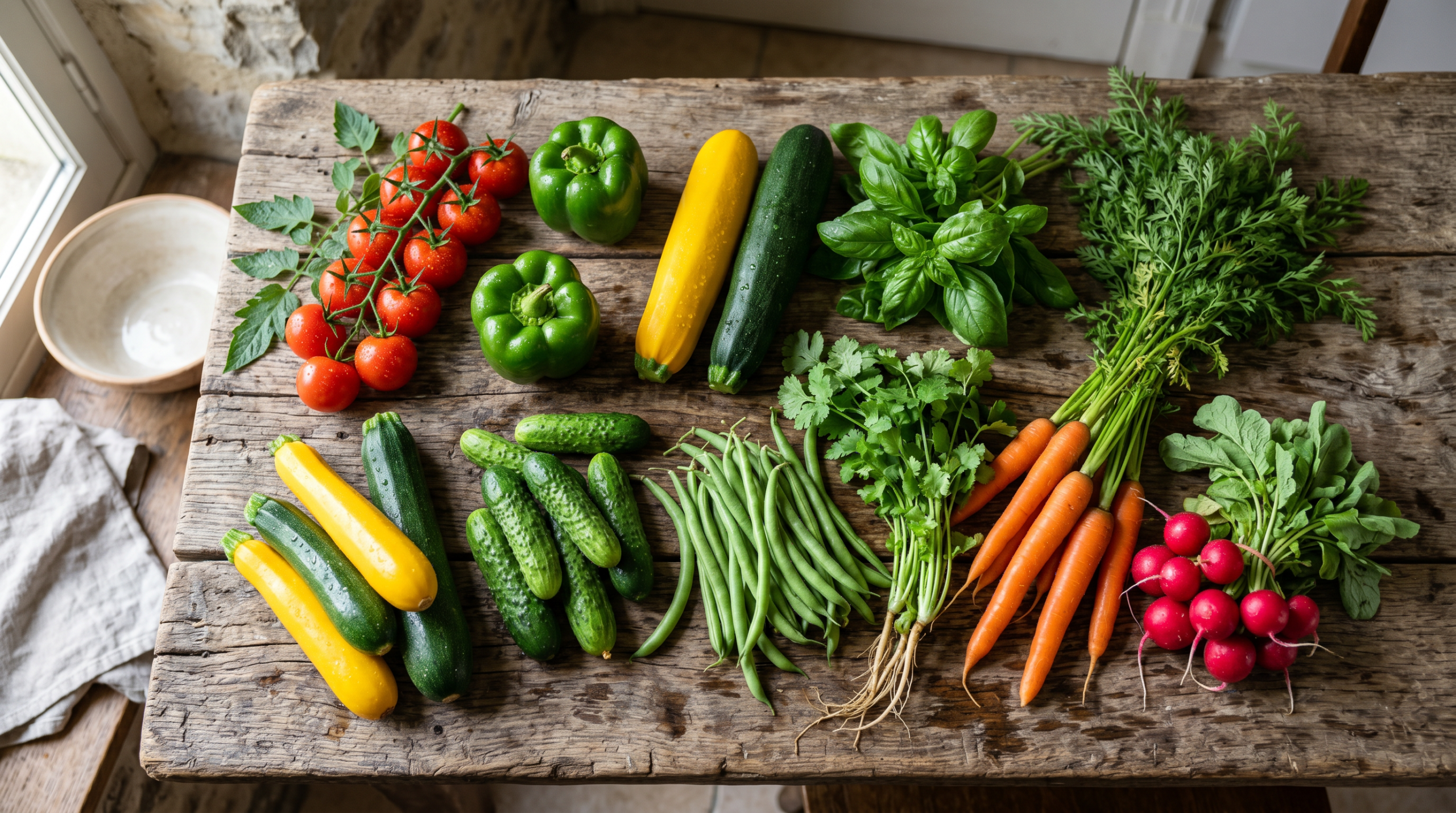
Knowing what to plant in April also means knowing when to expect results on your table. The timeline below shows days to harvest for each of the 15 plants, assuming an April planting date. Cool-season vegetables like radishes and lettuce produce within 1 to 2 months, while warm-season crops like tomatoes and peppers need 2 to 3 months after transplanting.
| Plant | Days to Harvest | Expected Harvest (if planted in April) |
|---|---|---|
| Radishes | 22-30 | Late April – May |
| Spinach | 37-45 | May – June |
| Lettuce | 45-60 | May – June |
| Cilantro | 45-70 | May – June |
| Basil | 50-75 | June – July |
| Green Beans | 50-70 | June – July |
| Zucchini | 50-60 | June – July |
| Cucumbers | 50-70 | June – July |
| Snap Peas | 60-70 | June – July |
| Bell Peppers | 60-90 | July – August |
| Tomatoes | 65-85 | July – August |
| Eggplant | 70-90 | July – August |
| Hot Peppers | 70-90 | July – August |
| Carrots | 70-80 | June – July |
| Squash | 50-100 | June – September |
This timeline assumes planting at the start of April. For cooler zones, shift expected harvest months forward by 2 to 4 weeks because transplanting happens later in the season. In contrast, Zones 9 and 10 often see harvests 1 to 2 weeks earlier than listed above.
Planting in April: Pros and Cons
Starting a vegetable garden in April comes with clear advantages and a few timing challenges to plan around.
Pros
- 15 vegetable and herb varieties perform well when planted in April
- Cool and warm season crops overlap in Zones 6-8, doubling your options
- Radishes produce edible roots in as few as 22 days from seed
- Full growing season ahead maximizes total harvest yield through fall
- Nurseries stock the widest transplant selection during April
- Raised bed soil warms 2-3 weeks faster, giving April plantings a head start
Cons
- Late frost in Zones 3-6 threatens warm-season transplants through mid-May
- Soil is often too wet in northern zones during early April, causing seed rot
- Cilantro bolts quickly once temperatures rise above 75°F
- Hot peppers and eggplant need consistent warmth; cold April nights slow growth
- Pest pressure increases as temperatures warm in late April and early May
Final Verdict
April is one of the best months of the year for starting a vegetable garden, especially for gardeners who want both fast harvests and long-season variety. The 15 vegetables to plant in April covered in this guide span the full range of difficulty, from beginner-friendly radishes producing in 22 days to warm-season eggplant needing 80 days and precise soil temperatures.
For gardeners in Zones 7 through 10, April also delivers ideal conditions for both direct sowing and transplanting. However, northern growers in Zones 3 through 6 should focus on cool-season crops outdoors while starting warm-season seeds indoors. Timing the transition to outdoor planting around your last frost date is the single most important factor for success.
First, I recommend starting with the beginner group: radishes, lettuce, snap peas, and zucchini. As a result of their fast growth and forgiving nature, these four crops build confidence through quick wins. Then, add tomatoes, peppers, and basil once you feel comfortable with watering schedules and soil conditions.
This April planting guide works for every setup, from a small patio container to a full raised bed system. Because the 15 plants here span cool-season and warm-season categories, you have options for every climate zone and experience level. My grandparents would recognize every plant on this list. Before summer arrives, your earliest April plantings will already be producing food for your table.
Frequently Asked Questions
What vegetables grow well when planted in April?
Fifteen vegetables to plant in April perform well across Zones 3 through 10. Cool-season crops, including lettuce, spinach, snap peas, radishes, carrots, and cilantro, tolerate light frost and go directly into the ground. In contrast, warm-season crops like tomatoes, peppers, zucchini, cucumbers, green beans, eggplant, squash, and basil need soil above 60°F before transplanting outdoors.
Is April too early to plant tomatoes outside?
In Zones 7 through 10, April is ideal for transplanting tomato seedlings outdoors. However, Zones 3 through 6 still experience frost through mid to late April, making it too early for outdoor transplanting in those regions. For these cooler areas, start tomato seeds indoors and move them outside after the last frost passes, typically in May or early June.
Which April vegetables tolerate frost?
Lettuce, spinach, snap peas, radishes, carrots, and cilantro all tolerate light frost down to 28°F. Because of this frost tolerance, these six crops go directly into the ground 4 to 6 weeks before the last frost date. In addition, covering them with row covers on nights below 28°F adds an extra layer of protection.
What herbs should I plant in April?
Basil and cilantro are the two best herbs to plant in April for home gardens. As a warm-season herb, basil goes outdoors only after the last frost, while cilantro is cool-season and tolerates light frost starting in early April. For extended cilantro harvests, specifically choose a slow-bolt variety and sow new seeds every 2 to 3 weeks through spring.
Is it too late to start a vegetable garden in April?
No. April is one of the peak planting months across the United States because the ground has thawed and frost-free days are increasing. In addition, nurseries stock their widest selection of transplants during April, giving you access to the best vegetables to plant in spring. For northern Zones 3 through 5, cool-season crops go into the ground starting in early April, while warm-season seeds start indoors.
How do I choose what to plant in April for my zone?
First, find your USDA Hardiness Zone at planthardiness.ars.usda.gov. Next, check your average last frost date for spring. In Zones 3 through 5, specifically focus on cool-season crops outdoors and start warm-season seeds indoors under grow lights. However, Zones 6 through 8 support both cool-season and warm-season crops outdoors after mid-April. Similarly, Zones 9 and 10 have already passed frost risk, so plant all 15 vegetables directly outdoors.

Leave a Reply