Quick Verdict: A thorough spring home maintenance checklist covering 20 tasks costs most homeowners $300–$900 in professional services. Skipping it risks reactive repairs averaging $10,433 per year, according to Thumbtack. Work through exterior, HVAC, plumbing, windows, electrical, and lawn in sequence. Finish before Memorial Day to protect every system before summer heat and contractor demand both peak.
Additionally, last updated: April 2026 | 12 min read
In This Article
Why Spring Maintenance Matters for Every Homeowner
Moreover, a complete spring home maintenance checklist is the most efficient tool a homeowner has for preventing the compounding damage winter leaves behind. In addition, after 30 years of DIY work, spring is when I audit everything winter left behind. My first walk-around of the season always reveals surprises. Besides, a cracked foundation corner, a siding board pulled loose by ice expansion. However, a deck board cupped from freeze-thaw cycles: none of these were visible in November. On the other hand, all of them demand attention before summer heat accelerates the deterioration.
Conversely, the financial case for a thorough spring home inspection is straightforward. Still, according to Thumbtack’s 2024 analysis. Therefore, the average cost to maintain a single-family home runs $10,433 per year. As a result, reactive repairs rather than proactive maintenance drive almost all of it. Consequently, gutter cleaning prevents water infiltration. For this reason, aC service prevents compressor failure. Specifically, deck sealing prevents board replacement. In particular, in each case, the preventive task costs 5–20 percent of the repair it prevents.
Notably, timing matters as much as the tasks themselves. For example, the ideal window opens when overnight temperatures stay above freezing consistently, typically late March through early May. Similarly, opening irrigation systems before the last frost risk passes cracks pipes. Scheduling AC service in April instead of June means shorter wait times and better pricing. Work through the exterior first, since winter damage compounds fastest outdoors. Then move systematically through interior systems as you prepare your home for summer heat.
Key Facts at a Glance
| Task / System | Key Data |
|---|---|
| Average annual home maintenance cost (U.S.) | $10,433 per year (Thumbtack, 2024) |
| AC tune-up cost | $175–$350, avg $250 (Today’s Homeowner, 2026) |
| Gutter cleaning cost (1-story) | $145–$250 ($0.95–$1.25/linear ft) (Angi, 2026) |
| Roof repair caught early | A few hundred dollars (AWS Restorations, 2026) |
| Skipped roof repair (decking + insulation) | $5,000–$14,000 for decking and moisture remediation |
| Water expansion during freeze | ~9% expansion: primary driver of foundation and concrete cracking |
| Termite damage (U.S. annual) | $5 billion, 600,000 homes affected (Orkin) |
| Exterior wood paint recoat interval | 5–7 years (cedar); penetrating stains 2–4 years |
| Lawn overseeding soil temp (cool-season grass) | 50–65°F consistently before seeding |
| Smoke/CO detector battery replacement | Every 6 months; full device replacement every 10 years (NFPA) |
Exterior Inspection: Roof, Siding, Foundation, Deck, and Driveway
Likewise, the exterior walk-around is the highest-leverage task on any spring home maintenance checklist. In contrast, winter damage compounds fastest outdoors. Meanwhile, the window to catch small problems before they escalate closes quickly once summer heat arrives. Subsequently, seven years of building timber frame homes in upstate New York showed me what freeze-thaw cycles do to foundations, decks, and driveways. Eventually, the damage is real, measurable, and almost entirely predictable once you know what to look for.
Roof and Flashing on Your Spring Home Maintenance Checklist
Spring is the optimal roof inspection window because winter damage becomes visible before summer storms make it worse. Ultimately, minor flashing adjustments and isolated shingle replacement addressed in April run a few hundred dollars. Overall, the same damage left until fall produces decking replacement costs of $3,000–$8,000, according to AWS Restorations. Additionally, walk the perimeter with binoculars looking for lifted shingle edges, granule loss in downspout discharge. Moreover, separation at ridge caps or roof-wall junctions. In addition, pay particular attention to the north-facing slope where ice dams concentrate.
Foundation and Flatwork
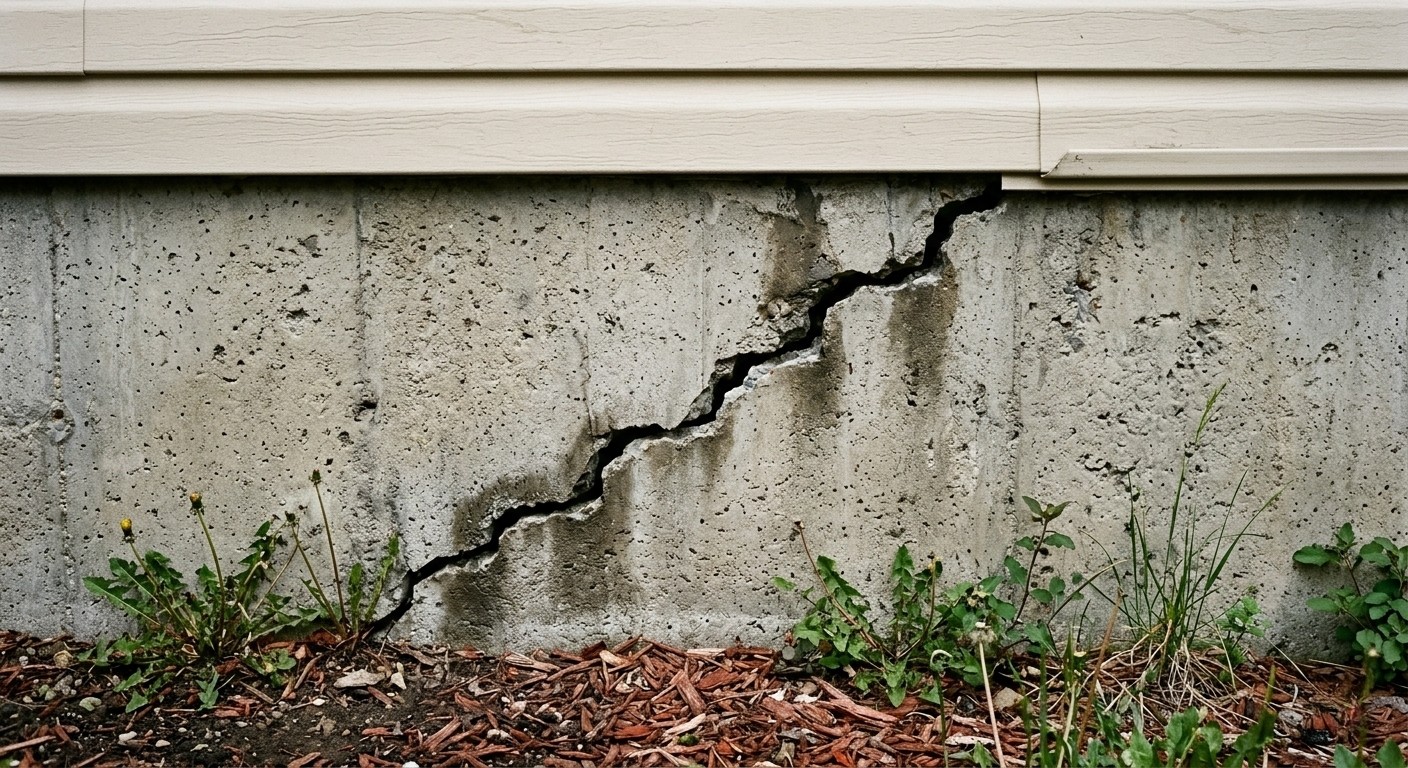
Besides, water expands by approximately 9% when it freezes. However, the expansion exerts direct pressure on concrete and masonry with each freeze-thaw cycle. On the other hand, look for new cracks or widening of existing cracks, and note their orientation. Conversely, vertical and diagonal cracks from settling are common. Still, horizontal cracks in block or poured walls indicate lateral soil pressure and warrant a structural engineer’s review before sealing. Therefore, check your driveway and concrete flatwork for heaving, spalling, or new cracks near expansion joints.
Siding and Deck
As a result, inspect siding for boards pulled away from the structure, paint peeling at the bottom course. Consequently, any gap at window and door trim where caulk has failed. For this reason, cedar siding needs repainting every 5–7 years. Specifically, penetrating stains on decks require recoating every 2–4 years depending on sun exposure.
On the deck itself, check each board for cupping, splitting, and fastener popping. Press a screwdriver into the ledger board where it attaches to the house. Any soft spots indicate moisture infiltration and potential rot in the rim joist behind it.
HVAC and Cooling: AC Service, Filters, Fans, and Thermostat
Professional AC Service
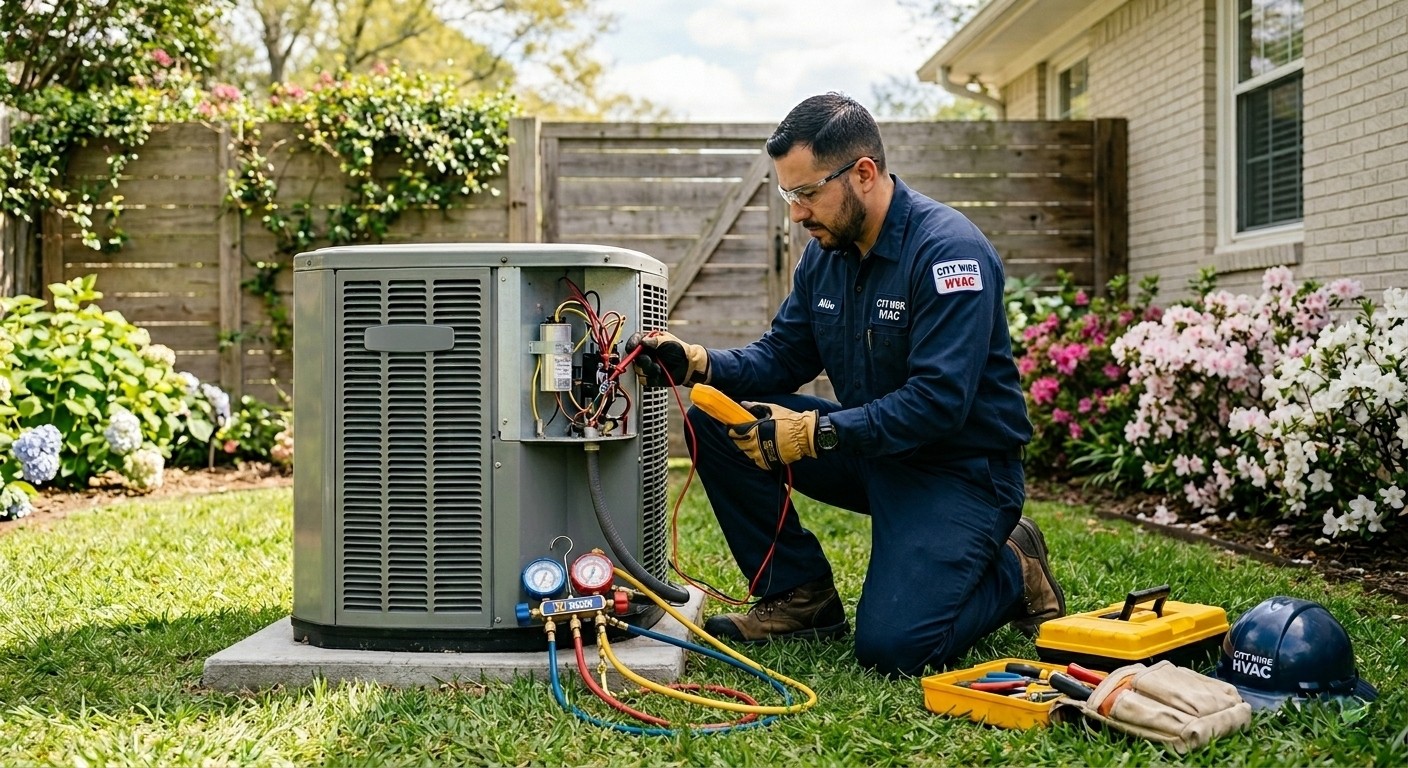
Scheduling AC service before the cooling season starts is one of the highest-return tasks on a spring home maintenance checklist. An AC tune-up runs $175–$350, averaging $250, according to Today’s Homeowner’s 2026 data. Booking in April avoids the peak-season premium and the scheduling backlog leaving homeowners waiting during the first heat wave. Dirty coils and neglected filters increase energy use by 5–15%. According to DOE guidance on air conditioning maintenance.
Filters and Fan Direction
Standard 1-inch filters need replacement every 30–90 days depending on household factors like pets and local air quality. A clogged filter restricts airflow and forces the blower motor to work harder. Replace the filter in spring regardless of when you last changed it. Note the date on the filter frame for reference.
Ceiling fan direction affects comfort year-round and costs nothing to set correctly. In summer, the fan should rotate counterclockwise (viewed from below) to push air downward. Most fans include a direction switch on the motor housing.
Condenser and Thermostat
Check the outdoor condenser unit for winter debris. Leaves, twigs, and dirt on the fins reduce heat transfer and stress the compressor. Clear at least 2 feet of clearance on all sides. Rinse the fins gently with a garden hose from the inside out.
Energy Star recommends setting cooling to 78°F when home and 82–85°F when away. The DOE estimates homeowners save up to 10% annually on heating. Cooling combined with a 7–10°F setback for 8 hours per day. Replace thermostat batteries now alongside smoke detector batteries.
Plumbing: Outdoor Faucets, Irrigation, Water Heater, and Sump Pump
Hose Bibs and Outdoor Faucets
Outdoor plumbing ranks among the most overlooked items on any spring home maintenance checklist.
However, outdoor plumbing takes the most direct winter abuse. Consequently, this spring cleaning home maintenance step prevents the hidden failures costing the most in emergency service calls. Therefore, turn the supply on at each hose bib and frost-free faucet. Check for drips at the packing nut or any sign of a split supply pipe behind the wall. As a result, a cracked supply line from a freeze event often leaks slowly inside the wall until discovered by accident.
Irrigation Startup
Irrigation startup requires patience to avoid water hammer damage. First, verify ground frost has cleared below 12 inches. Then close all test cocks on the backflow preventer. Next, open the main supply valve slowly over 30–45 seconds. Otherwise, a rapid valve opening creates pressure surges cracking poly pipe and damaging heads.
After pressurizing, run each zone individually. Subsequently, walk the entire coverage area checking for broken heads, clogged nozzles, and overspray onto hardscapes. Adjust head spacing and arc settings before the lawn needs water.
Water Heater and Sump Pump
Similarly, sediment flushing belongs on the spring checklist. In hard-water regions, mineral deposits accumulate at the tank bottom, reducing efficiency and shortening service life. Attach a hose to the drain valve and flush 2–3 gallons until the discharge runs clear. Check the temperature-pressure relief valve by lifting the test lever briefly. The NFPA recommends testing TP relief valves annually.
Test the sump pump before spring rains arrive. Pour 5 gallons of water into the pit to confirm the float activates the pump. Verify the discharge line runs clear of the foundation. A sump pump failure during heavy rain produces basement flooding ranging $1,500–$15,000. According to Angi’s 2026 cost data. A battery backup unit costs $150–$300 and eliminates the failure mode during power outages.
Windows, Doors, and Screens: Caulk, Weatherstrip, and Glass Cleaning
Caulk Inspection and Replacement
Window and door maintenance in spring addresses two failure modes: air infiltration and water infiltration. In addition, both worsen incrementally. The DOE estimates air leaks around windows. Doors account for 25–30% of heating and cooling energy waste in a typical home.
Inspect all exterior caulk lines at window and door frames. Press the caulk with a fingertip: sound caulk feels firm and springs back. Failed caulk crumbles, feels gummy, or shows visible gaps. Silicone caulk at window perimeters lasts 10–20 years. In contrast, acrylic latex caulk degrades in 5–7 years in sun-exposed locations. Therefore, remove failed caulk completely before applying new material. Recaulking over failed caulk creates a cosmetic repair failing in one season.
Weatherstripping and Screens
Furthermore, weatherstripping on exterior doors compresses over time. Close each door on a piece of paper. If the paper slides out without resistance, the weatherstrip no longer seals. Replace foam or vinyl strips with EPDM rubber or V-strip materials rated for 20-plus years. Door sweeps at the bottom threshold also need inspection. Daylight under a closed door means conditioned air and insects move freely.
Additionally, repair or replace damaged screens before the first warm weekend. A 10-foot roll of fiberglass screen mesh costs $8–$12 and handles several windows. Clean window glass inside and out with a squeegee. Dirty glass reduces visible light transmission and masks hairline stress fractures worth monitoring.
Electrical and Safety: GFCI Testing, Smoke Detectors, and Outdoor Outlets
GFCI Testing
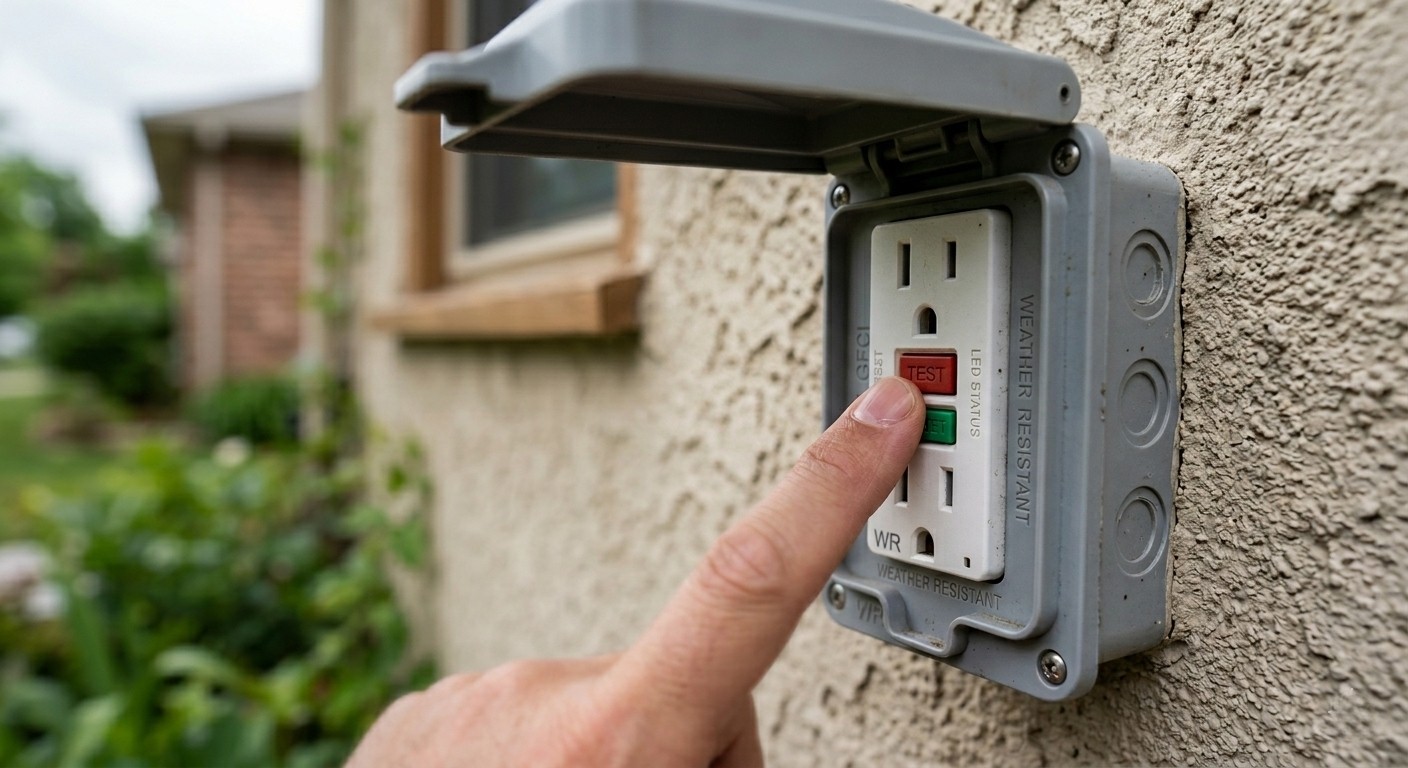
As a former remodeling electrician, I start every spring home maintenance checklist by testing every GFCI outlet. Checking for rodent damage in the attic and crawlspace. Together, these two tasks take under an hour. GFCI outlets protect the locations most exposed to moisture: bathrooms, kitchens, garages, and all outdoor receptacles. Press the TEST button on every device. The outlet should lose power. Press RESET and confirm power returns. A GFCI failing to trip or reset needs immediate replacement.
Smoke and CO Detectors
Likewise, replace batteries in all detectors every six months. Spring and fall at daylight saving time changes is the easiest way to remember. Detectors have a 10-year service life regardless of battery condition. The sensing chamber degrades over time and loses sensitivity. Check the manufacture date on the back of each unit. The National Fire Protection Association reports three of every five home fire deaths involve homes with no working smoke alarms.
Outdoor Outlets and Wiring Inspection
Check for moisture inside weatherproof outlet covers. Freeze-thaw cycles crack plastic housings, allowing water into the box. For detailed GFCI guidance, the article on common DIY electrical mistakes covers all required locations and correct wiring methods. Inspect landscape lighting runs for winter damage from deer, freeze heave, and lawn equipment.
In the attic and crawlspace, look for rodent activity along wire runs. Mice and squirrels chew through NM cable sheathing, exposing bare conductors inside insulation. Signs include droppings near wire runs, shredded insulation, or visible chew marks. Consequently, any damaged cable requires replacement, not tape repair.
Lawn and Landscaping: Aeration, Overseeding, Mulching, Pruning, and Gutters
Gutter Cleaning First
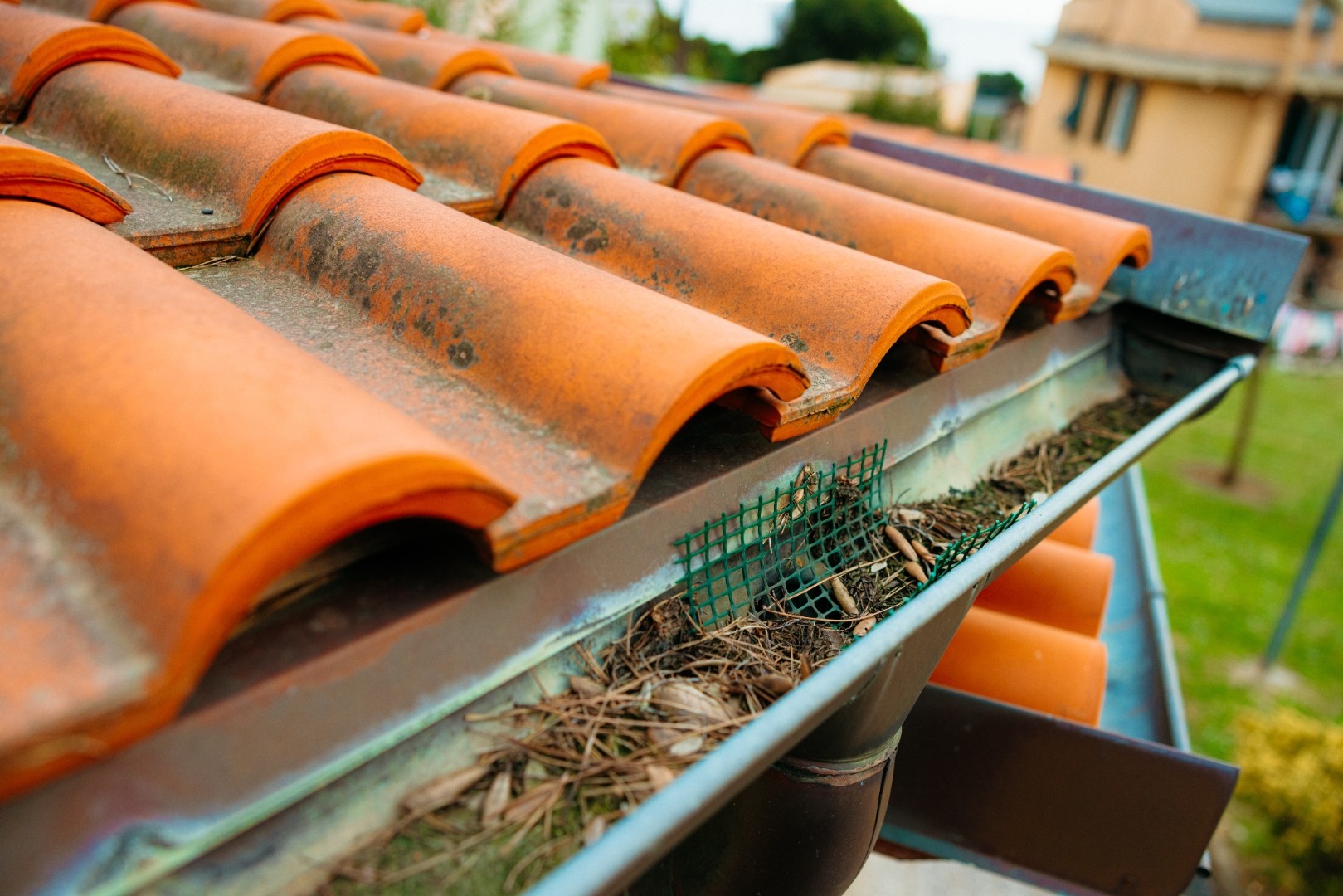
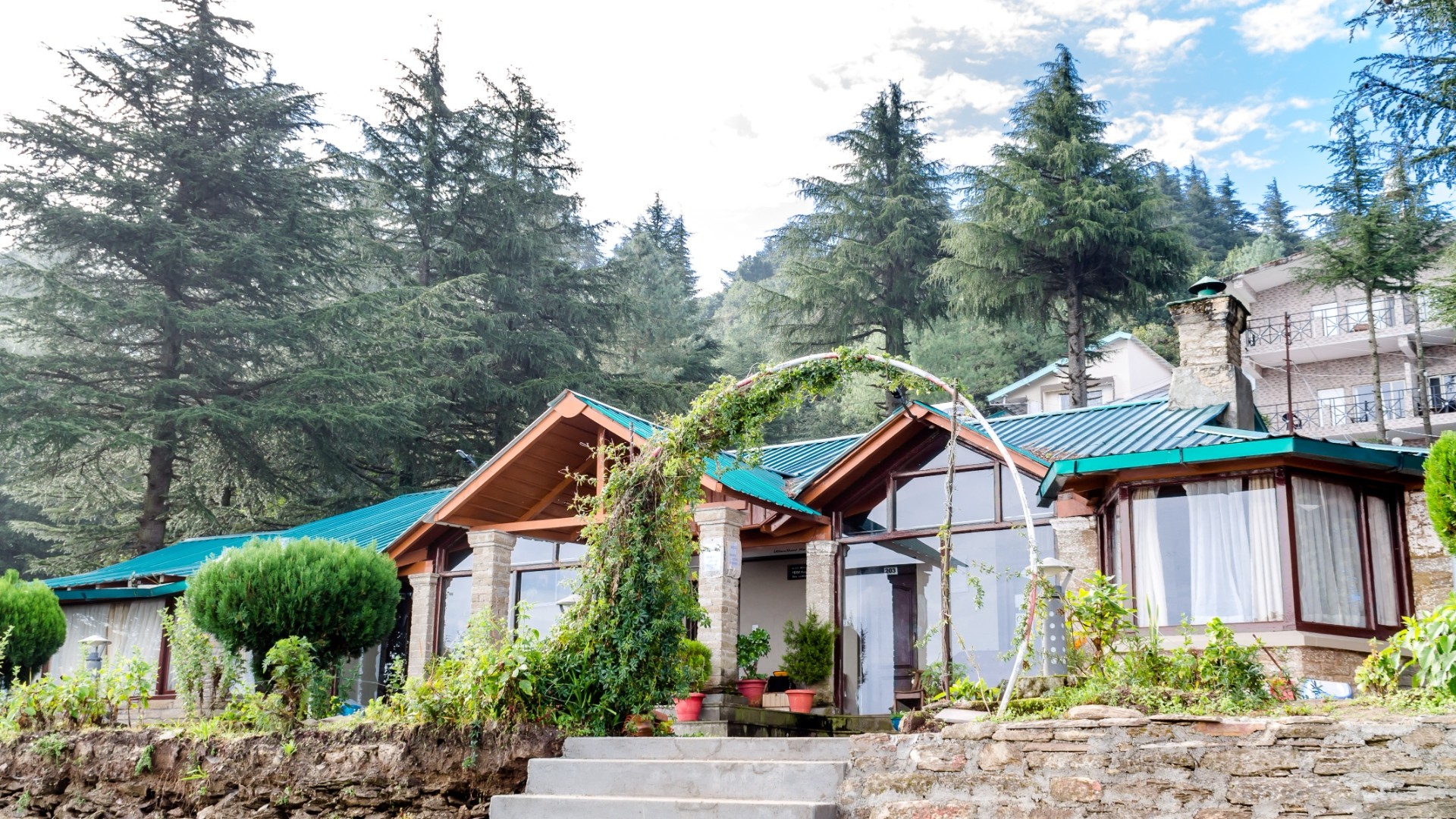
Start with gutter cleaning before lawn work. Downspout discharge direction affects where water concentrates during spring rains. Professional gutter cleaning runs $145–$250 for a single-story home, according to Angi’s 2026 data. Clean gutters direct water away from the foundation and prevent the saturated soil conditions inviting termites.
Lawn Aeration and Overseeding
Next, aeration timing depends on grass type. Cool-season grasses (tall fescue, Kentucky bluegrass, perennial ryegrass) respond best when soil temperatures hold between 50 and 65°F. Warm-season grasses like Bermuda and Zoysia need soil temperatures above 65°F. Check with an inexpensive probe thermometer rather than guessing by calendar date.
Moreover, overseeding patchy areas works best when combined with aeration. The core holes give seeds direct soil contact and shelter from birds. Water lightly once daily for 14–21 days until germination. Fertilize 3 weeks after germination with a starter formula high in phosphorus.
Mulching, Pruning, and Pest Prevention
Also, apply 2–3 inches of mulch to garden beds before summer heat arrives. Mulch at this depth retains soil moisture, moderates soil temperature by 10–15°F, and suppresses weed germination. Those three outcomes reduce irrigation demand and weeding through July and August.
In addition, prune dead, diseased, and crossing branches before the growing season accelerates. Remove any branch within 10 feet of the roofline. For spring-blooming shrubs like forsythia and lilac, prune immediately after flowering ends. Maintain a 6-inch clearance between mulch and any wood structural member. Direct wood-to-soil contact is the primary entry point for termites. Orkin reports termites cause $5 billion in annual property damage across 600,000 U.S. homes.
Pros and Cons of Spring Home Maintenance
Pros
- Catches winter damage before summer heat accelerates it
- AC service in April saves $50–$100 over peak-season pricing
- Roof repairs found early cost hundreds vs. $3,000–$14,000 deferred
- Gutter cleaning ($145–$250) prevents foundation water infiltration
- Irrigation startup verification prevents dead zones all season
- GFCI and smoke detector testing costs zero dollars
- Mulching reduces irrigation needs through summer
- Foundation crack documentation establishes a baseline
Cons
- Full checklist requires 2–3 weekends of dedicated time
- Professional services add $500–$1,000 in aggregate cost
- Lawn aeration too early wastes effort in cold soil
- Spring contractor demand means 2–4 week lead times
- Horizontal foundation cracks require professional evaluation
- Sump pump backup systems add unbudgeted cost
Final Verdict
A structured spring home maintenance checklist benefits every homeowner regardless of home age. The value compounds in older homes where deferred maintenance accumulates fastest. The 20 tasks covered here address every system winter stresses: roof, foundation, HVAC, plumbing, exterior surfaces, electrical, and lawn. Work through them in sequence. Complete the exterior first, then mechanical systems, then lawn. Finishing before Memorial Day puts you ahead of the contractor backlog.
Homeowners pressed for time should prioritize four tasks: roof. Gutter inspection, AC service, GFCI and smoke detector testing, and the foundation walk-around. Those address the highest-consequence failure modes. A single weekend covers them. Lawn and landscaping tasks carry lower urgency and tolerate a delayed start.
The financial math is compelling. Thumbtack’s data shows the average home costs $10,433 per year when reactive repairs dominate. Proactive spring maintenance costs $500–$1,000 in professional services. Roof damage caught in April costs a fraction of the same damage caught in September. AC service in spring extends equipment life and prevents emergency replacement at $5,000–$12,500. Every task on this spring home maintenance checklist has a specific ROI. The numbers consistently favor action over deferral.
For a complementary seasonal audit, the fall home maintenance checklist covers the same systems from the opposite direction. Together, spring and fall checklists form a complete annual calendar keeping every system ahead of failure.
Frequently Asked Questions
When should I start my spring home maintenance checklist?
Begin exterior inspection as soon as overnight temperatures stay above 32°F, typically late March through mid-April. Schedule AC service and gutter cleaning early in April to avoid the May backlog. Hold off on irrigation startup until ground frost clears below 12 inches. Lawn overseeding for cool-season grasses waits until soil hits 50°F.
How much does completing a spring home checklist cost?
DIY-only costs run $50–$150 in supplies: caulk, weatherstrip, filters, batteries, and mulch. Adding professional AC service ($175–$350), gutter cleaning ($145–$250). A pest inspection ($75–$150) brings the total to $500–$900. Compare those costs to Thumbtack’s $10,433 average. The spring investment pays for itself by preventing a single mid-season service call.
Which spring home checklist tasks require a professional?
AC service, roof work above single-story height, horizontal foundation crack evaluation. Irrigation backflow preventer testing all warrant licensed professionals. GFCI testing, smoke detector replacement, filter changes, caulking, weatherstrip replacement, and all lawn tasks are straightforward DIY work. Two-story gutter cleaning carries fall risk making professional service worth the $180–$360 cost.
How do freeze-thaw cycles damage my home in winter?
Water expands by approximately 9% when it freezes. The expansion exerts direct pressure on any porous material it penetrates. In concrete and masonry, repeated cycles widen micro-cracks into structural cracks and cause surface spalling. In roofing, ice dam formation lifts shingles and forces water under flashing. Spring inspection reveals this damage in its earliest, most repairable state.
What is the best order to complete spring maintenance tasks?
Work from outside to inside and top to bottom. Start with the roof and gutters. Move to foundation, siding, deck, and driveway. Address mechanical systems next: HVAC, filters, outdoor plumbing, and sump pump. Then work through windows, doors, and caulking. Finish with lawn, irrigation, and landscaping.
How often should exterior wood siding and decks be recoated?
Cedar and pine siding painted with 100% acrylic latex holds a finish for 5–7 years. South-facing and coastal exposures need attention closer to the 5-year mark. Penetrating oil stains on deck surfaces require recoating every 2–4 years. Semi-transparent stains on vertical siding stretch to 4–6 years. Spring is the optimal recoating window: temperatures above 50°F. Below 90°F with no rain forecast for 24 hours.
Leave a Reply